How to read food labels for diabetes
- 16 Oct 2025

Food labels can feel like fine print, but for anyone managing diabetes they're a genuinely useful daily tool. Here's what actually matters on an Australian food label, and how it shifts depending on the type of diabetes you're managing.
Food labels are more than fine print. Knowing how to read food labels for diabetes is one of the most useful everyday skills for managing blood glucose. Labels help you spot hidden sugars, track carbohydrates, and choose foods that support steady levels.
Labels aren't always easy to decode. Serving sizes vary between brands. Ingredient names can be confusing. Front-of-pack health claims don't always tell the full story. Once you know what to look for, though, labels become a reliable guide. Here's how they work, and what to focus on.
What's on an Australian food label?
Every packaged food sold in Australia follows the Food Standards Code. That means certain details always appear on the pack, no matter the brand.
The Nutrition Information Panel, or NIP, is the most useful part. It lists energy, protein, fat, carbohydrates, sugars, sodium, and often fibre. You'll see two columns: per serve, and per 100g. Serving sizes differ between brands. The per 100g column is the fairest way to compare two products.
The ingredients list matters just as much. Ingredients are ranked from highest to lowest by weight. The first three ingredients make up most of what you're eating. If sugar, refined starch, or salt sit near the top, the product probably isn't your best option.
You'll also see a Health Star Rating on many packs, from half a star to five. It's a handy shortcut for comparing similar products. It shouldn't replace reading the Nutrition Information Panel, though. For diabetes management, the detailed numbers tell the real story.
What to focus on when you're managing diabetes
Not every number on a label matters equally. These are the ones worth your attention.
Total carbohydrates — the most important line for blood glucose. All carbohydrates eventually break down into glucose, not just sugars. Use this line to plan meals, whether you're carb-counting or simply aiming for steady levels through the day.
Sugars, natural and added — the sugar line includes sugars from fruit or milk as well as added sugar. To tell them apart, check the ingredients list for sucrose, glucose, honey, syrup or fruit juice concentrate. Watch packaged sauces and condiments too. They often carry more sugar and salt than they look like they should.
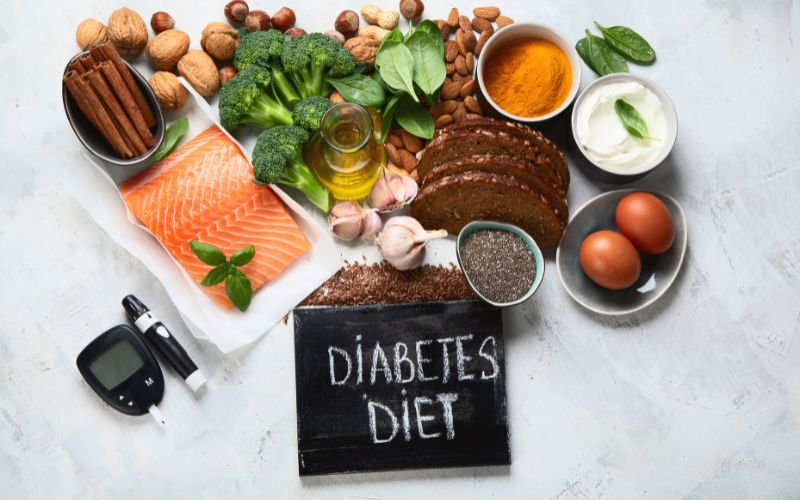
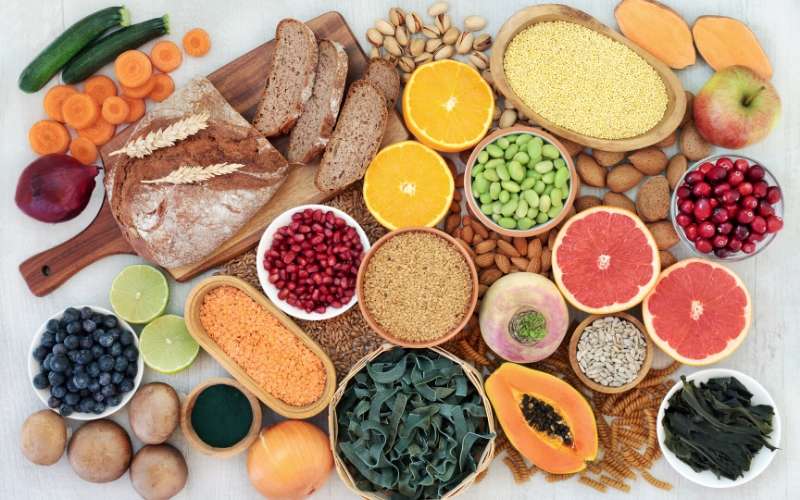
Dietary fibre — fibre slows digestion and helps keep blood glucose steady. Look for at least 5g of fibre per 100g where you can. Wholegrain bread, for example, supports steadier blood glucose than white bread made from refined flour.
Fat, saturated and trans — fat doesn't raise blood glucose directly, but it does affect long-term heart health, which matters more once you have diabetes. Aim for under 3g of saturated fat per 100g. Avoid anything listing partially hydrogenated oils, a sign of trans fats.
Sodium — too much salt raises blood pressure and strains the heart and kidneys. Aim for under 120mg of sodium per 100g, or under 2000mg a day in total.
Energy — if you're also managing your weight, check the per 100g energy value. It makes it easier to compare how energy-dense different foods really are.
Does the type of diabetes change what to look for?
The core principles stay the same across every type of diabetes. Watch carbohydrates. Limit added sugar. Choose fibre-rich foods. A few things shift depending on your situation.
If you have type 1 diabetes, carbohydrate counting is usually central to meal planning. The total carbohydrate line is your best guide, since insulin doses are often matched to carb intake. High-fibre foods help flatten post-meal glucose spikes, so look for at least 5g of fibre alongside moderate carbs.
If you have type 2 diabetes, the focus widens to include long-term heart health. Total carbohydrates still matter. So do low saturated fat, low sodium and moderate energy values. High-fibre, minimally processed foods also help with satiety and weight management.
If you have gestational diabetes, the goal is stable blood glucose for you and your baby. Choose low-GI, high-fibre carbs where you can. Pay close attention to serving sizes, since even healthy foods can raise glucose if portions grow.
If you have prediabetes, label reading matters more for building habits than for tight carb counting. Prediabetes can often be reversed through diet and lifestyle change. Every small swap, like choosing a high-fibre cereal over a refined one, reduces the load on your pancreas and lowers your long-term risk.
Make it easier with ready-made diabetic meals
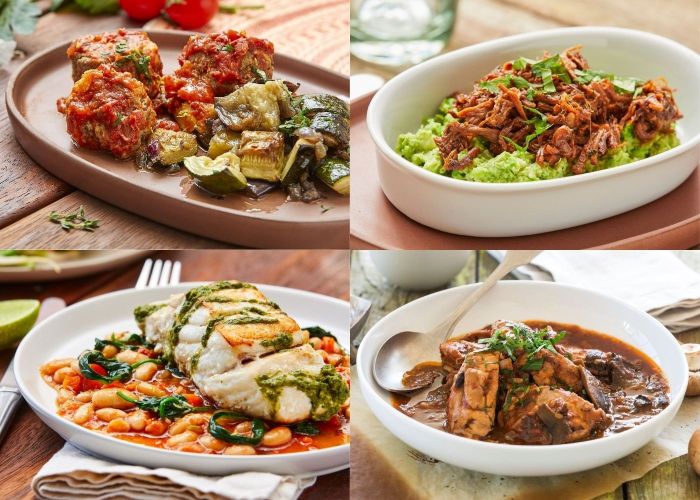
Managing diabetes doesn't have to mean hours spent in the kitchen, or hours spent decoding labels at the supermarket. If you're living with type 2 diabetes or prediabetes, a done-for-you diabetic meal delivery service can take that daily decision-making off your plate.
Our diabetic meal plans and the Diabetic Meal Pack are both built around the same principles covered above: careful portion control, quality carbohydrates, and fibre-rich ingredients that support steady blood glucose. Every meal is cooked from scratch with real food. No preservatives, no shortcuts.
We'd always recommend checking with your doctor or dietitian first, to make sure a meal plan is right for you.
Further reading
Want to go deeper on food labels and diabetes nutrition? These are trusted Australian resources:
• Baker Heart & Diabetes Institute — Health Hub Fact Sheets
• Diabetes Australia — food labels guide
• NDSS — Understanding Food Labels fact sheet
• Our own guide to the best foods to eat with diabetes, with Dr Joanna McMillan
Most Recent Posts




Related Posts


- Joanna O'Sullivan
- 20 Jan 2020
Related Products