9 detox foods for weight loss
- 10 Sept 2025
Few phrases trend harder than detox diet or cleanse when you’re chasing weight loss. But here’s the catch: your body already runs a sophisticated natural detoxification system that’s operating 24/7 via your liver, kidneys, lungs, skin, and the gastrointestinal tract.
The smart play isn’t a pricey detox product, fancy supplements, or no food juice cleanses. It’s eating in a way that supports your body’s detoxification while creating a sustainable calorie deficit so weight loss can actually happen.
Detox diets and cleanses: what they can (and can’t) do
Some detox diets and cleanses promise to eliminate toxins, but according to the US National Center for Complementary and Integrative Health, there's little high-quality evidence they remove toxins from the body or lead to enduring fat loss.
This includes some commercially advertised products such as juice cleanses, colon cleanses or using herbs and dietary supplements for detoxification.
Your body's natural detoxification includes your liver enzymes, kidneys and bowel to handle waste products and remove toxins from your body. These systems work best when you’re well-fed, hydrated, and sleeping.
So instead of a restrictive special diet, think of a body detox as an eating plan that reduces processed foods, limits alcohol, minimises added sugar, and piles on fibre-rich plants plus adequate protein.
These basic habits help your body do its job and can lead to weight loss.
The best detox foods for sustained weight loss
Below are food groups that support the body’s natural detox processes and your weight management goals, without severe restriction.
1. Leafy Greens and Cruciferous Veg (your natural detox all-stars)
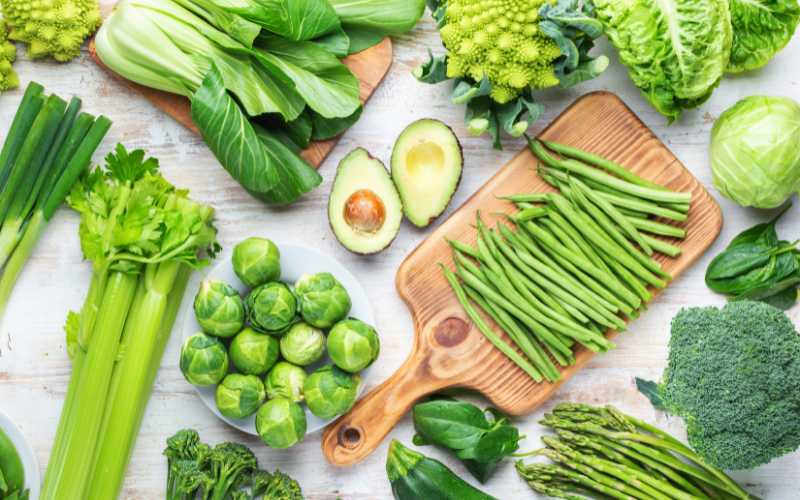
Think spinach, kale, rocket, broccoli, cabbage, collard greens, and brussels sprouts - your green dream team. They’re packed with dietary fibre, vitamins, and powerful plant compounds that support your liver’s natural detox enzymes.
Because they’re high-volume and low-calorie, they help you feel pleasantly full, making it easier to keep your energy intake in check without feeling like you’re missing out.
Broccoli and other cruciferous vegetables also supply glucoraphanin, which your body can turn into sulforaphane, a compound that activates the NRF2 pathway and upregulates antioxidant and detox enzymes.
For everyday eating, steam broccoli until just tender or finely chop raw florets into salads; both raw and cooked can contribute to helping our gut bacteria generate healthy metabolites.
Other ideas include: toss a handful of spinach into eggs or smoothies, roast a tray of broccoli and brussels sprouts on Sunday for add-to-anything sides, and whip up a quick slaw with shredded cabbage, lemon and olive oil. Slice kale or silverbeet into ribbons for quick sautes or add to soups and grain bowls as a budget-friendly green.
Aim to include crucifers 4 to 5 days a week by rotating broccoli, kale, cabbage, and brussels sprouts.
2. Whole Fruit Beats Juice for a Cleanse
Eating whole fruit slows down carbohydrate absorption, steadies blood sugar levels, and helps curb bloating.
Want a “detox drink”? Make it water or unsweetened tea with lemon. Juice, on the other hand, concentrates sugar and removes most fibre. Harvard T.H. Chan School of Public Health reports 100% fruit juice may contribute to weight gain in both adults and children.
Our article on juice cleanses (and why we don't recommend them) explores this further.
3. Whole Grains and Pulses (beans, lentils, chickpeas)
Beans, lentils, chickpeas and dry peas are rich in dietary fibre, plant protein, and low-GI carbs that support the gastrointestinal tract, steady blood sugar, and keep you fuller on fewer calories. This is a clean, minimally processed way to help your body while you lose fat.
Whole grains and pulses are also rich in viscous fibre and resistant starch that feed the gut microbiome and keep the bowel moving. A meta-analysis of a randomised control trial by the American Journal of Clinical Nutrition shows around 3/4 cup of pulses daily yields modest weight loss. No detox cleanse required.
How to add more legumes to your diet:
- Add 3/4 to 1 cup of cooked lentils to salads or soups
- Swap half your mince for black beans in tacos or kidney beans in chilli con carne.
- Choose a chickpea or edamame snack instead of chips to reduce ultra-processed snacking.
- If you’re sensitive to FODMAPs, rinse canned beans well and start with 1/4 to 1/2 cup, increasing slowly. Pair with plenty of water to support digestion and minimise bloating.
4. Nuts and Seeds (small portions, big payoff)
Despite being energy-dense, regular nut intake is associated with better long-term weight control. The key here is not to overdo it. Small handfuls have big payoffs.
Nuts and seeds add crunch, healthy fats and a little protein that makes them a snack that really works between meals. Keep a jar of mixed seeds to shake over salads and veg, stir chia or ground flax into oats or smoothies, and go for a spoon of nut butter on fruit when you need something sweet-but-satisfying.
5. Avocado: smart swap for better fats
Creamy, satisfying and perfect as a replacement for refined spreads or processed meats. A randomised, controlled feeding trial by the American College of Cardiology showed adding one avocado a day to a heart-healthy diet lowered LDL cholesterol compared to similar diets without avocado.
Mash 1/4 to 1/2 an avocado on whole-grain toast with tomato, dice into salads, or slice over beans and rice for fullness that lasts.
6. Lean Proteins
Protein is your stay-full friend and helps protect muscle while you lose fat. Aim for a palm-sized serve at meals: tray-bake salmon with lemon, toss tofu through a veggie stir-fry, or grab unsweetened Greek yogurt as a speedy snack.
Short on time? Keep tins of wild caught tuna or salmon and cartons of eggs handy for instant protein without the drama. Include fish one to two times a week for heart benefits.
7. Artichokes (a gut-friendly extra)
Artichoke hearts are an underrated hero that delivers inulin, a prebiotic fibre that supports the large intestine microbiota and can ease digestion, useful if bloating has you feeling sluggish. Keep a jar in the pantry to toss through salads, blitz into a white-bean dip with lemon and garlic, or add to pizza, frittatas and sheet-pan dinners for a fast fibre bump.
8. Beetroot: roast it (no juice cleanse required)
Beets bring natural nitrates that your body converts to nitric oxide, helping blood vessels relax. A 2022 systematic review and meta-analysis by Frontiers in Nutrition found that beetroot nitrate modestly lowers blood pressure, especially in people with hypertension. To add more beetroot to your diet, roast wedges for salads, grate into slaws, or blend half a cup of cooked beets into a smoothie.
9. Hydration Helpers: water and tea
Hydration is the quiet helper. It's great for kidneys and a friendly nudge for appetite control. Make it automatic: sip a glass of water 15 to 30 minutes before meals, keep a bottle within arm’s reach, and rotate green and herbal teas through the day (without sugar).
Fancy fizz? Choose soda water with citrus or mint for a detox drink feel, without any sweetness.
Try a short cleanse without the gimmicks: Dietlicious food cleanse
If you like the idea of a structured reset, the Dietlicious Food Cleanse is a practical way to eat cleaner and detox your body. You get pre-portioned, high-protein meals (breakfast, lunch, dinner + a snack each day) built around natural whole foods and ingredients.
It's free from red meat, wheat, gluten and dairy, plus has no preservatives and additives - all designed to be easy on your digestive system while you rebuild better habits.
Decision-free, portion-controlled meals lower food noise and make it simpler to keep a calorie deficit. This approach has been repeatedly shown to improve weight-loss outcomes compared to self-selected diets. Randomised control trials and reviews of pre-portioned, prepared meals and meal-replacement style plans report greater weight and fat loss and better adherence over 12 weeks to a year.
~1,000 kcal/day is low-calorie; it’s not recommended during pregnancy or breastfeeding. If you have diabetes, hypertension, kidney or liver issues, food allergies, or take medications, speak with your clinician before starting. Use a cleanse as a short, structured clean-eating phase to support your body’s natural detox processes, not as a medical detox or a long-term very-low-energy diet.
How to follow a detox diet without falling for fads
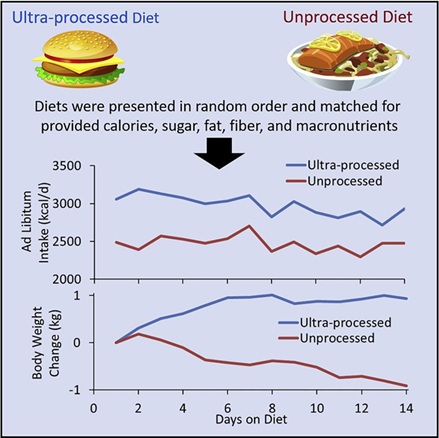
Image Source: Cell Metabolism
Load half your plate with vegetables and leafy greens; add a palm-sized protein, a cupped-hand whole grain/bean, and a thumb of healthy fat.
- Cut out highly processed foods. In a tightly controlled inpatient crossover trial by Cell Metabolism, volunteers who ate ~500 extra kcal per day gained weight on an ultra-processed diet vs a diet of unprocessed foods, despite matched macros and sodium.
- Limit free and added sugars. The Australian Heart Foundation recommends a heart-healthy eating pattern that’s naturally low in added sugar and to avoid sugary drinks. As a benchmark, the World Health Organization advises keeping free sugars under 10% of energy. These targets help blood pressure, heart and overall health.
- Skip alcohol while you’re focused on eliminating toxins from the body naturally. Alcohol adds calories, hampers sleep and burdens the liver.
- Stay active. Exercise (steps + strength) improves insulin sensitivity, burns glycogen, and helps body fat loss while preserving lean mass.
- Sleep matters. Poor sleep disrupts appetite regulation and can raise pressure on willpower; aim for 7 to 9 hours each night.
Types of detox diets to be cautious about
- Detox cleanses with laxatives or colon hydrotherapy. You risk dehydration, electrolyte shifts, and dependence.
- Diets that severely restrict food groups: can trigger nutrient shortfalls, hormonal stress, and rebound eating. You may experience weight loss mostly from water, then a stall.
- Detox therapies or supplements: there is little evidence that these can detoxify your body and they may potentially interact with medication. Talk to your doctor first.
Frequently asked questions
Do body cleansing foods actually detox your body?
No single food detoxifies you. Your liver, kidneys, lungs and gut already do that; food helps by supporting those systems (fibre, nutrients, hydration) and by replacing ultra-processed choices.
Does asparagus detox your body?
Asparagus is a nutrient-dense veg that fits a clean-eating pattern, but it doesn’t uniquely remove toxins. Think of it as part of a fibre-rich plate that supports your body’s own detox processes.
How can I detoxify my body at home naturally?
Focus on minimally processed meals, cut added sugars and alcohol, stay hydrated, sleep 7–9 hours, and be active. Short clean-eating resets can help habit change, but skip extreme cleanses.
Can activated charcoal detoxify your body?
Activated charcoal is for specific poisonings under medical supervision, not routine detox. At-home use may interfere with medications and nutrients.
Can you lose weight just by eating better?
Yes. Dietary changes alone can produce weight loss; adding physical activity improves health and maintenance further. Public-health guidance emphasises healthy eating + activity + sleep + stress management.
What happens to your body when you start eating clean?
Most people see steadier energy and appetite due to higher fibre and protein and fewer ultra-processed foods; controlled trials show unprocessed diets naturally reduce calorie intake.
When to seek help
Check in with your GP or dietitian if you’re considering detox practices while managing a condition, if you’re on medications, or if you’re stuck on a weight loss plateau for more than 8 to 12 weeks despite consistent habits. A dietitian can tailor a balanced diet with the right calorie, protein, and fibre targets.
Most Recent Posts