What to eat on weight loss medications - your complete food guide
If you're taking Ozempic, Wegovy, Mounjaro, Saxenda, or Duromine, you're likely experiencing a significantly reduced appetite. While this helps with weight loss, it creates a critical challenge: how do you get adequate nutrition when you're simply not hungry?
This practical guide provides food lists and portion guidelines and a range of tips and tricks, all to help you thrive on your medication journey.
How weight loss medications change your relationship with food
GLP-1 receptor agonists (semaglutide, tirzepatide, liraglutide) and appetite suppressants (phentermine) fundamentally alter how your digestive system works:
- Delayed gastric emptying: Food remains in your stomach 2-3 times longer than normal
- Reduced hunger signals: Your brain receives fewer "I'm hungry" messages
- Early satiety: You feel full after just a few bites
- Altered taste preferences: Some people report food tasting different or less appealing
- Reduced thirst drive: You may forget to drink water
The nutritional challenge: With stomach space at a premium and appetite minimal, choosing the wrong foods can lead to muscle loss, fatigue, nutritional deficiencies, and uncomfortable digestive symptoms.
Why you must prioritise protein with every meal
Recent research released by the Endocrine Society reveals that approximately 40% of weight lost on semaglutide medications comes from lean muscle mass, not just fat. This is problematic because:
- Muscle drives metabolism: More muscle = more calories burned at rest
- Muscle controls blood sugar: Essential for managing diabetes
- Muscle maintains strength: Critical for independence and quality of life
- Muscle loss increases with age: Women and older adults are at highest risk
Our blog post on weight loss vs fat loss (coming soon) explains this further.
Distribute your protein throughout the day
Rather than eating all your protein at dinner, distribute it throughout the day to assist with muscle preservation. Our guide to high protein foods helps you determine how much protein you need per day.
Here are some suggested protein sources beneficial when taking weight loss medications:
Breakfast: 20-25g protein
- 1 cup Greek yogurt (20g) + 1 egg (6g) = 26g
- 2 eggs (12g) + 2 slices wholegrain toast (8g) + avocado = 20g
- Protein smoothie with 30g whey protein
Associated reading: 43 High Protein Breakfast Ideas
Lunch: 20-30g protein
- 100g chicken breast (31g)
- 150g white fish (31g)
- 1 cup cottage cheese (28g)
- 180g tofu (20g) + ½ cup lentils (9g) = 29g
Dinner: 25-35g protein
- 120g salmon (29g)
- 120g lean beef (32g)
- 150g prawns (31g)
- 200g tempeh (31g)
Snacks: 5-10g protein each
- 30g almonds (6g)
- 1 tablespoon natural peanut butter (4g)
- 1 boiled egg (6g)
High-Protein Foods: Quick Reference
30g+ protein per serving:
- Chicken breast (100g): 31g
- Turkey breast (100g): 29g
- Tuna, canned (100g): 30g
- Salmon (120g): 29g
- Lean beef (100g): 32g
- Pork loin (100g): 30g
20-30g protein per serving:
- Greek yogurt (1 cup): 20g
- Cottage cheese (1 cup): 28g
- Tofu, firm (180g): 20g
- Lentils (1 cup cooked): 18g
- Chickpeas (1 cup): 15g
- Black beans (1 cup): 15g
- Tempeh (100g): 19g
10-20g protein per serving:
- Eggs (2 large): 12g
- Milk (1 cup): 8g
- Quinoa (1 cup cooked): 8g
- Edamame (1 cup): 17g
On weight loss medications, you may feel full after just a few bites. By eating your protein source first, you ensure this critical nutrient is consumed before you are too full to eat anything else.
Make nutrition easier with our free printable daily checklist. Track your protein goals, meal timing, and hydration at a glance. Perfect for posting on your fridge or keeping in your meal prep area.
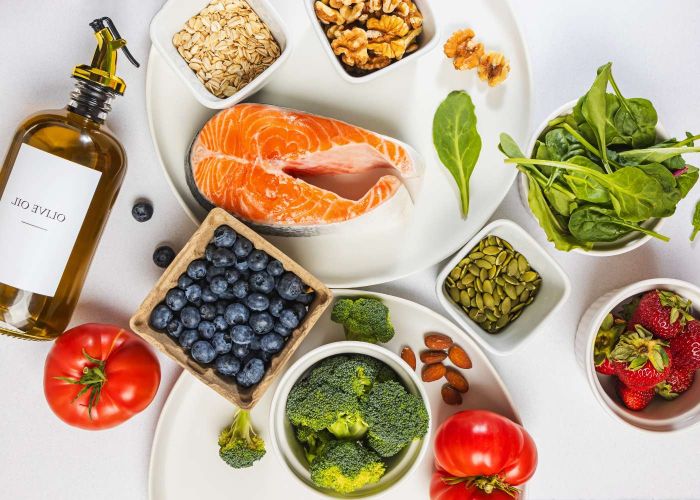
Building your plate: the foundation foods
When you're working with limited appetite, every meal needs to be strategic. You must fill your plate with foods that give you the most nutritional bang for your buck.
Start with vegetables as your foundation
Non-starchy vegetables should take up at least half your plate. They're packed with vitamins, minerals, and fibre, but they're gentle on your stomach and won't leave you feeling uncomfortably full.
Leafy greens like spinach, kale, and rocket are nutrition powerhouses. Cruciferous vegetables (broccoli, cauliflower, Brussels sprouts, and cabbage) offer protective antioxidants and essential nutrients. Don't forget the colourful varieties: red and yellow capsicum, tomatoes (fresh or tinned work equally well - just look for no added salt), carrots, beetroot, and pumpkin all bring different nutrients to the table.
Zucchini, green beans, asparagus, mushrooms, cucumber, and celery might seem ordinary, but they're staples in a healthy diet. Snow peas and sugar snap peas add a satisfying crunch.
Steamed or roasted vegetables may be easier on your stomach than raw, especially if you suffer from medication-related nausea. Soups are brilliant because they combine vegetables with the hydration your body needs. Try adding vegetables to every meal, including breakfast. Spinach in your eggs or tomatoes on your toast counts.
Whole grains are your slow-burning fuel
Unlike refined carbohydrates that spike your blood sugar and leave you crashing, whole grains release energy steadily throughout the day. Brown rice, quinoa, wholegrain bread, rolled oats, wholemeal pasta, barley, and freekeh are all good choices.
The key here is portion control. On weight loss medications, you need smaller serves than you might be used to. A quarter cup of cooked grains is plenty. Always prioritise your protein and vegetables first, then add a small grain serving if you still have room.
Healthy fats are essential, but timing and portion size matter
Your body needs fats for hormone production and to absorb fat-soluble vitamins, but here's the catch: fats stay in your stomach the longest.
When your medication is already slowing digestion, too much fat can trigger or worsen nausea. The solution? Small, strategic portions.
A quarter of an avocado, a small handful of nuts (about 15-20 individual nuts), one to two tablespoons of seeds, or a measured tablespoon of nut butter. When cooking, use one to two teaspoons of olive oil (rather than tablespoons). If you're eating fatty fish, like salmon or mackerel, keep your serving to 100-120 grams.
Understanding your fat types helps too.
- Monounsaturated fats from olive oil, avocado, almonds, and cashews are heart-healthy.
- Polyunsaturated fats, particularly omega-3s from salmon, sardines, walnuts, chia seeds, and flaxseed, fight inflammation.
- Saturated fats from butter, coconut oil, and full-fat dairy should be limited.
Think of fats as a condiment. A small amount of olive oil drizzled on vegetables or a few slices of avocado can dramatically improve nutrient absorption without overwhelming your digestion.
Make strategic choices with fruit
Fruit delivers vitamins, fibre, and antioxidants, but some varieties are lower in sugar than others. Fresh or frozen berries (strawberries, raspberries, blackberries, and blueberries) pack tremendous nutrition into a half-cup serving.
Higher-sugar fruits like bananas, grapes, mango, and pineapple are still nutritious; just keep portions much smaller.
Timing your fruit intake can make a difference too. Adding berries to your breakfast yogurt or oats works beautifully. Fruit makes an excellent snack between meals. However, if eating fruit on an empty stomach triggers nausea for you, save it for after a meal or paired with a protein source.
Dairy and dairy alternatives round out your nutrition
Greek yogurt with its 20 grams of protein per cup makes an excellent breakfast base. Cottage cheese, packing 28 grams of protein per cup, works as a substantial snack. Regular milk provides 8 grams of protein per cup, and a 30-gram serve of cheese offers 7-8 grams.
Lower-fat options like skim or low-fat milk, reduced-fat cheese, and natural yogurt instead of flavoured are generally easier on your stomach.
Did you know dietlicious has a meal plan designed for weight loss medications?
Managing nutrition while on weight loss medications involves:
- Calculating daily protein requirements
- Planning balanced meals with limited appetite
- Shopping for ingredients when you don't feel like eating
- Cooking when you may be nauseous
- Ensuring every meal maximises nutrition
- Maintaining consistency even when motivation wanes
For many people, this becomes overwhelming. Especially in the first few months of treatment.
That’s why we created our 6 day GLP-1 Support Meals packs from only $106
With two options: lunch + dinner or brunch + dinner. Here’s what you get:
Protein-optimised portions: Each main meal delivers a good dose of protein without requiring you to measure, calculate, or prepare multiple ingredients.
Appropriate serving sizes: Light, low calorie meals that match your reduced appetite without overwhelming your digestive system.
No planning required: Removes the mental burden of "what should I eat?" when you already don't feel hungry.
Nutritionally complete: Balanced macronutrients and micronutrients mean you're getting vitamins and minerals even with reduced food intake.
Variety without effort: Rotating menu prevents food boredom (a real issue when appetite is low).
Convenience during nausea: On difficult days, having a pre-made meal means you'll still eat rather than skipping meals entirely.
Affordable: your budget is already taking a hit with the medication costs. That’s why Dietlicious created these packs that start from just $106 for 6 days (that’s 2 meals for $17 per day).
Here’s an example day on our GLP-1 Support Meals pack:
- Brunch provided: Ham frittata (188 cal, 12g protein, 15g carbs, 8g fat)
- Dinner provided: Beef ragu w cauliflower mash (302 cal, 32g protein, 11g carbs, 13g fat)
- You add your own breakfast and snacks: Add 30-50g protein through eggs, yoghurt, and protein-rich snacks
- Total: achieves 78-98g daily protein target with minimal effort
How to keep hydrated when you’re not thirsty
Hydration might be your most underestimated challenge. Weight loss medications don't just suppress hunger, they suppress thirst too. Many people become mildly dehydrated without realising it. Dehydration worsens nausea and constipation, triggers fatigue and headaches, slows your metabolism, and can be mistaken for hunger.
Your goal is 2 to 2.5 litres daily, unless your doctor has advised otherwise. Making this happen requires strategy. Here are some tips:
- Set hourly phone reminders.
- Keep your water bottle where you'll see it constantly.
- Drink a full glass as soon as you wake up.
- Throughout the day, sip rather than gulp.
- Try flavouring water with lemon slices, cucumber, or fresh mint.
- Herbal teas count toward your fluid intake (just don’t add sugar).
Monitor your urine colour as a simple hydration check. Pale yellow means you're well hydrated, while dark yellow signals you need more fluids. Other dehydration red flags include headaches, dizziness, dry mouth, and fatigue.
How to avoid constipation when taking weight loss medications
One of the most common medication side effects is constipation. Slowed digestion means you need adequate fibre to keep things moving, but there's an art to increasing it. Your dietitian may set a fibre target for you, usually 25 to 30 grams daily.
If you are actively trying to increase your fibre intake, we recommend doing it gradually over 2-3 weeks to avoid bloating and gas. High-fibre foods include:
- Vegetables like broccoli, Brussels sprouts, and carrots (3-5 grams per cup)
- Fruits like raspberries, pears, and apples with their skin (4-8 grams per serving)
- Legumes like lentils, black beans, and chickpeas (8-15 grams per cup)
- Whole grains (3-5 grams per serving)
- Nuts and seeds (3-5 grams per serving).
Always pair high-fibre foods with extra water, as fibre needs fluid to do its job.
Your path to success
Weight loss medications are powerful tools, but they work best when combined with smart nutrition strategies. Success requires four key priorities.
Muscle Protection
Protect your muscle with 75 to 110 grams of protein daily, resistance training 2-3 times weekly, and adequate calories. Even though you may not be hungry, don't under-eat.
Manage Side Effects
Manage side effects through small, frequent meals, avoiding trigger foods (fatty, fried, sugary), staying hydrated, and using nausea management strategies.
Build Sustainable Habits
Build sustainable habits by learning portion control, discovering foods that work for your body, developing consistent eating patterns, and preparing for life after medication.
Get Support
- Get support when needed through regular doctor check-ins, consultation with a registered dietitian, and using our healthy pre-prepared delivered meals to keep you on track.
- Understand what success looks like at different stages helps maintain perspective.
- In months 1-3 (the adjustment phase), you're learning what foods work for you, managing nausea and side effects, establishing meal routines, and experiencing rapid weight loss (expect 5-10% of body weight).
- During months 3-6 (the optimisation phase), side effects are improving, protein intake becomes consistent, your exercise routine gets established, and steady weight loss continues.
- In months 6-12 (the maintenance phase), healthy habits become automatic, weight loss naturally slows (this is expected and healthy), and you're preparing for eventual medication cessation.
- Beyond 12 months, you're transitioning to maintenance, may be gradually reducing medication, sustaining healthy eating patterns, and managing weight long-term.
- Every bite counts when your appetite is reduced. Choose foods that provide high-quality protein, deliver essential nutrients, minimise digestive discomfort, and support your long-term health goals.
- Remember, you're not just losing weight, you're building a healthier relationship with food, learning to nourish your body, and developing habits that will serve you for life. Your body is working hard on this medication. Feed it wisely.
Additional Resources
See also Weight loss medications: Smart eating strategies for success.
For medical guidance, consult your prescribing doctor for medication adjustments, a registered dietitian for personalised meal planning, and an exercise physiologist for a safe strength training program. Support services include Dietlicious meal plans, tracking apps, online forums, and psychology support.
Seek immediate help if you experience severe, persistent vomiting, signs of severe dehydration, extreme abdominal pain, inability to eat or drink for 24+ hours, rapid, unintended weight loss (more than 1 kilogram per week consistently), chest pain or difficulty breathing, or severe fatigue or weakness.
This comprehensive guide is for educational purposes only. Always consult with your healthcare provider before making significant dietary changes or if you have concerns about your medication or symptoms. Individual nutritional needs vary based on age, sex, activity level, and health conditions.
Last updated: October 2025
Citations:
Smits MM, Van Raalte DH. Safety of Semaglutide. Front Endocrinol (Lausanne). 2021 Jul 7;12:645563. doi: 10.3389/fendo.2021.645563. Erratum in: Front Endocrinol (Lausanne). 2021 Nov 10;12:786732. doi: 10.3389/fendo.2021.786732. PMID: 34305810; PMCID: PMC8294388.