Why ditching ultra processed foods may be your ticket to ultimate health
What’s the secret to ultimate health and wellbeing? You might think good genes or good luck. Perhaps a good lifestyle, including exercise, sleep and stress management. But the number one thing? Diet.
Are you rushing off to buy kale and sardines yet? Whilst we often think of what we should eat when we think of dieting, we’re going to turn that on its head. Instead, we believe that for ultimate health, you should probably focus your attention on what you shouldn’t eat.
The bottom line is - ultra processed food is bad for your health. If you want to enjoy the feeling of ultimate health and wellbeing, then cut out, or dramatically cut down on your intake of ultra processed food. When you eat a wellbeing diet rich in natural, unprocessed food, it’s almost impossible not to improve your biology, your weight management, your positivity and lower your disease risk. That’s a whole lot of benefits for just following one simple dieting rule.
What is ultra processed food?
While there remains some conjecture on definitions, here’s what we believe is the most sensible and commonly understood explanation.
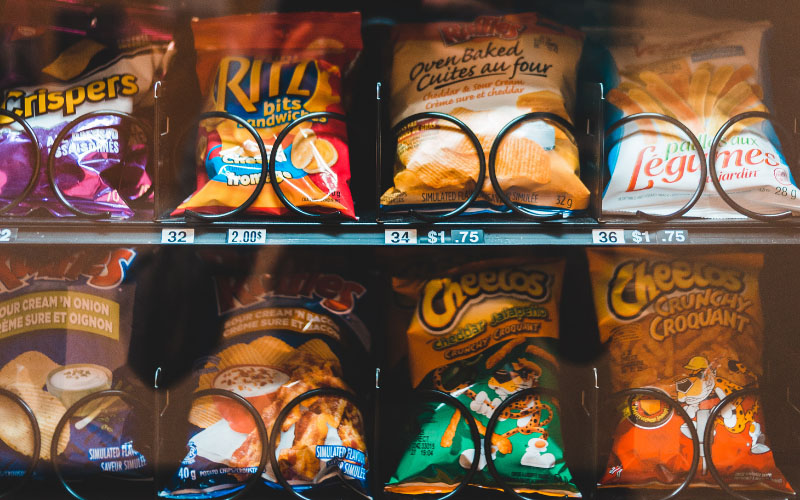
Ultra processed foods are industrially manufactured foods made with additives and ingredients not usually used in home cooking. Their lengthy ingredient lists might contain unnatural substances such as preservatives, dyes, modified starch, emulsifiers, hydrogenated oils, non-sugar sweeteners, artificial flavours. They are made for convenience so tend to be ready-to-eat or have an extended shelf life. Some examples are packaged snacks, mass produced bread, breakfast cereals, fruit-flavoured yoghurts, instant soup, ice cream, processed meat, plant-based meat, cheese substitutes, soft drinks, pre-made frozen or shelf-stable dishes.
To contrast, it’s helpful to understand these further food definitions.
Processed foods are foods that are made by combining a processed ingredient like oil, salt or sugar with an unprocessed one, altering the food in a way that could be done at home. Examples are homemade breads, biscuits, bacon and ham, cheese, jam, pickles and canned foods..
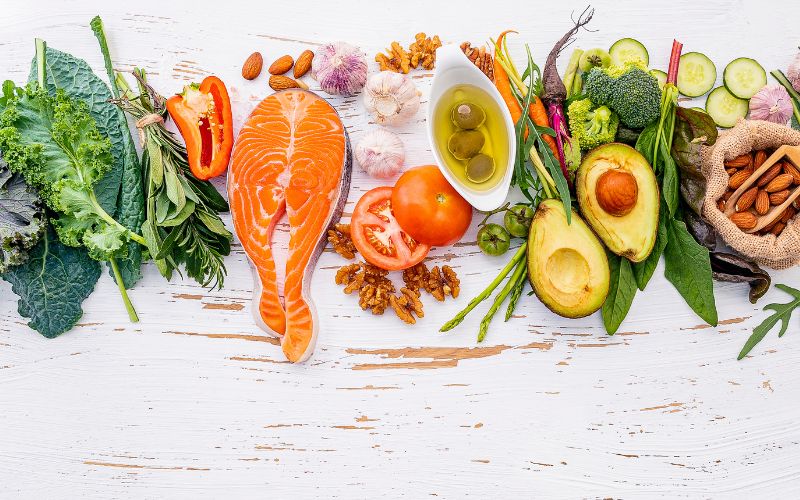
Unprocessed or minimally processed foods are natural produce such as vegetables, fruit, milk, eggs, meat, fish, nuts, seeds, grains, legumes and pulses, that have no added ingredients and are barely altered from their original state.
Why ditch it - what’s so bad about ultra processed foods?
Ultra processed food has undergone significant manufacturing processes such as heating pressing and enhancement from additives to make them either look better, taste better or last longer. The problem with these processes is that they turn a wholefood into something that is no longer natural, but in fact is quite artificial. The human body does not necessarily know how to process, digest and respond to such fake foods. They most certainly can mess with our gut microbes and can interfere with natural signals within the body for absorption, or appetite fullness.
These foods area also changing the way we eat overall. They are made to be especially palatable so we are prone to overconsumption – they are energy dense and contain high levels of fat, sugar and salt. When we replace homemade food with these highly processed ones, we are crowding out our diet leaving less space for natural, nutritious sources.
Researchers are still trying to understand if it’s the individual elements in the food or an overall combination that wreaks havoc on our health. They are also gauging whether high quantities are the problem, or if it’s more the relationship between eating these foods and a poor lifestyle that make them so unhealthy for us. What they do know from scientific studies is summarised below.
What the research says about ultra processed food and our health
The body of scientific research in this area is growing, especially with the recent addition of some large, long-term studies that have looked at the association of disease and a diet including many ultra processed foods. Here are a few snapshots that help drive home the message:
- Metabolic syndrome - a higher degree of food processing is associated with developing metabolic syndrome, which is a collection of conditions like obesity, high blood pressure, high blood triglycerides, low levels of HDL cholesterol and insulin resistance that combine to increase a person’s risk of cardiovascular disease, stroke and diabetes.
- Dementia – eating ultra processed foods has been linked to accelerated age-related cognitive decline and an increased risk of developing dementia.
- Heart conditions - Those who ate the most ultra processed food were 24 per cent more likely to experience serious heart and circulatory events including heart attacks, strokes and angina. Each 10 percent rise in daily intake of ultra-processed food was linked with a 6 per cent increase in heart disease risk.
- Chronic disease - positive associations have been shown between highly processed food consumption and the risk of cardiovascular disease, type 2 diabetes and cancer.
- Blood pressure - those with the highest quantity of ultra-processed food in their diet are 39 per cent more likely to develop high blood pressure than those with the lowest.
- Death - people with the highest intake of ultra processed foods (more than four serves a day) are 62 per cent more likely to die after an average of 10.4 years than people who consume a low amount (less than two serves a day).
The science certainly tells a frightening story about over consumption of ultra processed foods. Want the good news? Researchers have found a significant association between eating unprocessed or minimally processed foods and lower risks of all reported diseases. Happy days!
What is the key takeaway for ultimate health?
We need to reduce our consumption of overly processed, packaged foods if we want to maintain good health and long health. But most people are time poor and have financial pressures too, so it’s not always that easy.
The best way forward is to aim for a balanced diet with all processed foods and ultra processed foods in moderation. Eat plenty of unprocessed and minimally processed foods so you can be sure you are getting plenty of nutrients from high quality sources.
Start to check the ingredient lists and nutrition panels of products before you purchase. If you need help with that read our article on Supermarket Swindles for helpful tips. Be aware that food manufacturers are notoriously clever at marketing their unnatural, ultra processed foods as healthy. You may see callouts on the pack such as high protein, low carb, omega 3’s, no added sugars, which mask that the product is packed full of additives such as flavour enhancers, non-sugar sweeteners, salt and fat.
Cut our or cut down on foods with super long ingredient lists, especially ingredients that you don’t recognise. Salty and sweet snacks, and fast foods are a good start. Try to incorporate some more home cooking whenever possible.
If you can’t cook for yourself or don’t have time, then Dietlicious can help as all our food is home cooked from natural, wholefood ingredients without any additives or preservative of any kind. It’s just like you would cook at home, but with the time saving convenience.
Tips on what to eat and how to eat instead
If you want to get really healthy, you need to focus on optimising your nutrition and saying goodbye to processed foods. Doing this will help you to feel good, look good and improve any niggly health complaints. Here are are top tips:
- Start with an all-natural menu of whole foods, steer clear of as many packaged items as possible.
- Choose mostly chicken, seafood and vegetarian meals and limit your red meat consumption.
- To maximise nutrients, ensure your diet contains plenty of vegetables and legumes which privide vitamins, minerals, antioxidants and fibre for gut health.
- Cut out refined carbs and sugars. Opt for healthy wholegrains instead.
- Aim for high protein.
- Stick to low sodium, which is surprisingly easy once you reduce your processed food intake.
- Eat heavier meals at lunch and lighter meals in the evening.
- Leave three hours between eating your evening meal and going to bed, to improve digestion. You also get the health benefits of intermittent fasting when you have a longer gap between eating dinner and starting breakfast the next day.
How to reduce ultra-processed foods and eat better with Dietlicious
Ultra-processed foods can make healthy eating feel harder than it needs to be. If you want a simpler way to eat well, Dietlicious now offers flexible options such as individual meals, Build Your Own Plan, and ready-to-go meal plans delivered to your door.
1. Choose individual meals
If you want full control, choose from our individual meals and build a menu that suits your tastes, appetite, and routine.
2. Build your own plan
Prefer a more customised approach? Use our Build Your Own Plan feature to mix and match meals and create a plan that fits your week. This tool will tally up your daily macros as you add the meals you want.
3. Pick a ready-to-go meal plan
If convenience is the priority, choose one of our ready-to-go meal plans. They remove the need for shopping, cooking, and meal prep while helping you stay on track. Options include our ever-popular 800 Calorie, 800 Calorie Keto, 1200 Calorie, 1500 Calorie or Menopause Diet.
Dietlicious meals are home-cooked from real ingredients without unnecessary additives or preservatives. That means you can enjoy the convenience of prepared meals while still aiming for a more wholesome way of eating. The best choice depends on how much structure you want. Individual meals suit people who want flexibility, Build Your Own Plan suits people who want more control, and meal plans suit people who want a simpler set-and-follow approach.
Ready to make healthy eating easier? Review the range of Dietlicious Meal Plans
Frequently Asked Questions
What are ultra-processed foods?
Ultra-processed foods are products made with ingredients and additives that are not commonly used in home cooking. They are usually heavily manufactured and often have long ingredient lists.
Are all processed foods bad?
No. Some processed foods can still be part of a balanced diet. The main thing to focus on is reducing ultra-processed foods more often and choosing meals made with real, nourishing ingredients.
Which option is best for busy weeks?
A ready-to-go meal plan is usually the easiest choice for busy weeks because it removes planning and prep from your day.
How can I eat less ultra-processed food during a busy week?
A simple way is to plan ahead with convenient meals that still feel balanced and satisfying. Dietlicious makes this easier with individual meals, Build Your Own Plan, and ready-to-go meal plans.
What Dietlicious option gives me the most flexibility?
If you want the most flexibility, individual meals are a great choice because you can choose only the dishes you want. Build Your Own Plan is also ideal if you prefer to customise your weekly meals.
Which Dietlicious option is best if I want convenience?
A ready-to-go meal plan is the most convenient option because it removes the need for shopping, cooking, and meal prep. It’s a good choice if you want healthy meals without the extra work.
Written by: Joanna O'Sullivan, GDHumNutr
First published: January 2024
Updated: June 2026
Powered by Mirasvit Magento 2 Extensions
-
 7 signs of an unhealthy gut - and how to fix it
-
Why ditching ultra processed foods may be your ticket to ultimate health
-
 How to maximise your Food Cleanse results: A nutritionist's guide
-
 DASH Diet Australia: what it is, how it works & how meal delivery makes it easy
-
 Menopause weight gain: why it happens and how diet helps