
DASH Diet Australia: what it is, how it works & how meal delivery makes it easy
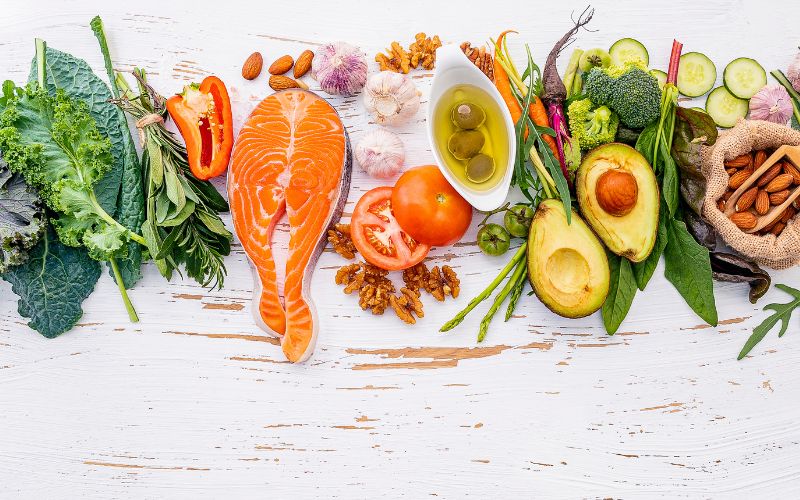
If your GP has told you to watch your blood pressure, there's a good chance they've mentioned the DASH diet — even if it didn't stick. The name doesn't exactly sell itself. But behind the acronym (Dietary Approaches to Stop Hypertension) is the most clinically proven, most GP-recommended eating plan in Australia for managing high blood pressure naturally.
For five consecutive years, the Royal Australian College of General Practitioners (RACGP) has voted the DASH diet the best overall diet for health and wellness in Australia. That's a remarkable endorsement from the very doctors writing blood pressure prescriptions every day.
The catch? Most people don't actually know what the DASH diet looks like on a plate — or how to follow it consistently without a major overhaul of their cooking routine.
This article covers everything you need to know: what the DASH diet is, what it does to your blood pressure, what to eat and avoid, and how to make it genuinely practical in day-to-day Australian life.
What is the DASH Diet?
DASH stands for Dietary Approaches to Stop Hypertension. It was developed in the 1990s by researchers funded by the US National Institutes of Health, specifically to find a dietary solution to high blood pressure. Since then it has been endorsed by health institutions worldwide, including here in Australia.
The DASH diet is not a weight loss program, though many people lose weight on it. It is not a fad, a cleanse, or a restrictive elimination plan. It is a science-backed eating framework built on one core principle: eat more of the nutrients that lower blood pressure and less of the ones that raise it.
Those pressure-lowering nutrients are potassium, magnesium, calcium and fibre. The pressure-raising culprit is sodium — the mineral in salt that causes the body to retain fluid and drives up blood volume, placing extra strain on artery walls and the heart.
What does the DASH Diet do to blood pressure?
The clinical evidence is striking. Research cited by the RACGP shows the DASH diet can reduce systolic blood pressure by around 6 mmHg and diastolic pressure by around 3 mmHg within just two to four weeks of starting — without medication. For people already diagnosed with hypertension, the effects are even more pronounced.
More than a third of Australian adults live with high blood pressure, and many don't know it. The George Institute for Global Health identifies high blood pressure as Australia's single biggest killer — contributing to heart disease, stroke, kidney disease and cognitive decline. The DASH diet is one of the most accessible, cost-effective tools available to address it.
What to eat on the DASH Diet
The DASH diet doesn't ban food groups — it rebalances them. Here is what a DASH-aligned day looks like:
Eat plenty of:
- Vegetables (4–5 serves per day) — all types, especially potassium-rich options like sweet potato, spinach, tomato and broccoli
- Fruit (4–5 serves per day) — fresh, frozen or tinned in natural juice; bananas, oranges and berries are ideal
- Whole grains (6–8 serves per day) — brown rice, oats, quinoa, wholegrain bread and wholemeal pasta
- Low-fat dairy (2–3 serves per day) — milk, yoghurt and reduced-fat cheese for calcium and magnesium
- Lean protein — fish and seafood (aim for 2+ times per week), skinless chicken and turkey, legumes, lentils and beans
- Nuts and seeds (4–5 times per week, small portions) — unsalted almonds, walnuts, sunflower seeds
Limit or avoid:
- Salt and high-sodium processed foods — this is the centrepiece of the DASH approach
- Red and processed meats — eat sparingly, no more than once or twice per week
- Full-fat dairy — swap to reduced-fat versions
- Packaged and ultra-processed foods — these are where the majority of hidden sodium in the Australian diet comes from
- Sugary drinks and sweets — limit to five small serves per week
- Saturated and trans fats — choose vegetable oils over butter or coconut oil
The pattern is essentially a whole-food, low-sodium, high-potassium way of eating — which is exactly how the team at Dietlicious has always cooked.
Why the DASH Diet is hard to follow from scratch?
Here is the honest problem with the DASH diet: it is nutritionally straightforward, but practically demanding. When you actually try to apply it to a working Australian life, several obstacles emerge.
- Sodium is hidden everywhere. The majority of sodium in the average Australian diet comes not from the salt shaker but from processed and packaged foods — bread, breakfast cereals, sauces, soups, deli meats and ready meals. Following DASH properly means cooking from scratch almost every meal, or reading the label on every single packaged product you buy.
- Hitting the potassium and vegetable targets takes planning. Four to five serves of vegetables per day sounds achievable until you're cooking dinner at 7pm after a long day.
- Preparing varied, flavourful low-sodium meals is a skill. Salt is a flavour amplifier. Removing it without replacing it with herbs, spices and cooking technique often results in food that tastes bland — which is why many people abandon DASH within weeks.
How Dietlicious makes the DASH Diet effortless
This is exactly the problem Dietlicious was built to solve.
Every Dietlicious meal is chef-prepared using fresh, whole-food ingredients with no additives, preservatives or artificial flavourings. And Dietlicious is the first ready-meal provider in Australia to switch to Heart Salt — a potassium-enriched salt containing 56% less sodium than regular salt — meaning the meals are naturally lower in sodium without any compromise on taste.
All meals on the low sodium meals page contain under 600mg of sodium per serve, which means three of these Dietlicious meals per day keeps you well within the DASH daily sodium target of 2,000mg — with room to spare.
The meals are rich in the nutrients the DASH diet calls for: lean proteins (fish, chicken, legumes), abundant vegetables, whole grains and natural flavour from herbs and spices. That is not an accident. It is how Dietlicious has always cooked.
With Dietlicious, you get chef-prepared, DASH-aligned meals delivered frozen and ready to heat. No label reading. No flavourless meals. No 45-minute weeknight cook.
View the range of Dietlicious low sodium meals
Frequently Asked Questions about the DASH Diet in Australia
Is the DASH diet the same as a low-sodium diet?
They overlap significantly but are not identical. A low-sodium diet focuses specifically on reducing salt intake. The DASH diet does this too, but it also emphasises increasing potassium, magnesium, calcium and fibre — nutrients that actively help lower blood pressure. Together these changes produce greater blood pressure reductions than sodium reduction alone.
How quickly does the DASH diet lower blood pressure?
Clinical research shows measurable reductions in blood pressure within two to four weeks of consistent DASH eating. The effects are maintained — rather than growing further — after this initial period. Results are more significant in people who already have elevated blood pressure.
Do I need to count calories on the DASH diet?
No. The DASH diet is portion-guided rather than calorie-counted. The focus is on eating the right foods in the right proportions, not tracking numbers. Many people find it simpler to follow than calorie-counting programs.
Is the DASH diet suitable for people with kidney disease?
The standard DASH diet is high in potassium and phosphorus, which people with serious kidney disease may need to limit. If you have kidney disease, speak with your nephrologist or dietitian before starting DASH — a modified version may be more appropriate for your needs.
Can meal delivery services help me follow the DASH diet?
Absolutely — and for most people it is the most reliable way to stick with it long-term. A good low-sodium meal delivery service removes the two hardest parts of DASH eating: avoiding hidden sodium in processed food, and preparing varied, flavourful meals from scratch every day.
The bottom line
The DASH diet is not a trend. It is the most consistently recommended eating pattern by Australian GPs for managing blood pressure — and the clinical evidence behind it is robust. The challenge has always been making it practical to follow in real life.
If you have been told to change your diet for blood pressure, heart health or overall health, the DASH framework is the right place to start. And if cooking three DASH-compliant meals a day from scratch feels unrealistic, Dietlicious has already done the hard work for you.
Explore our low sodium meals delivered across Australia — chef-prepared, Heart Salt-cooked, and ready when you are.
Author: Joanna O'Sullivan - Associate Nutritionist, GDHumNutr