
All blog posts

Dr Joanna McMillan: Best Foods to Eat with Diabetes
PhD-qualified nutrition scientist Dr Joanna McMillan breaks down the best foods for managing diabetes — and why the glycemic index matters more than sugar content alone.
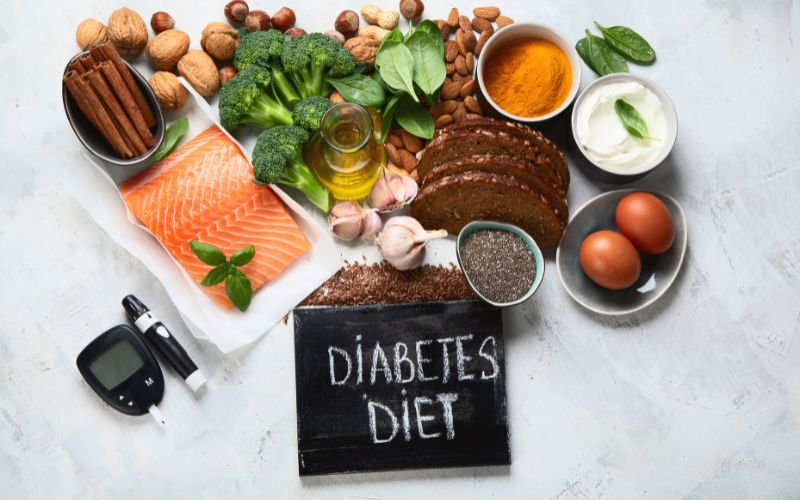
Ozempic diet for type 2 diabetes: what to eat
Ozempic and Mounjaro are approved in Australia for type 2 diabetes management, not just weight loss. Here's what to eat to support blood sugar control while your appetite is reduced.

Best foods for menopause energy and weight loss
If hormones are driving menopause weight gain and fatigue (see why that happens here), food is still your most powerful lever for managing it. Here's exactly what to prioritise on your plate — and how to structure your day so it actually happens.

How to manage nausea on semaglutide
If you’ve recently started taking semaglutide medications like Ozempic, Wegovy, Mounjaro, or Saxenda, you’re probably experiencing some digestive changes. Nausea on Ozempic and similar GLP-1 medications is one of the most frequently reported side effects — and it can catch people off guard.
Nausea is incredibly common with GLP-1 medications. ...

7 signs of an unhealthy gut - and how to fix it
Bloating, brain fog, poor sleep, skin breakouts — your body may be sending gut health SOS signals you're ignoring. Here's what to look for, what to avoid, and exactly what to eat to get your microbiome back on track.

Why ditching ultra processed foods may be your ticket to ultimate health
What’s the secret to ultimate health and wellbeing? You might think good genes or good luck. Perhaps a good lifestyle, including exercise, sleep and stress management. But the number one thing? Diet.
Are you rushing off to buy kale and sardines yet? Whilst we often think of what we should eat when we think of dieting, we’re going to turn ...

Ozempic side effects: What every Australian should know before starting
GLP-1 weight loss medications — Ozempic, Wegovy, Mounjaro, Saxenda and Duromine — are now among the most prescribed medicines in Australia. Nearly 500,000 Australians are currently using them, and with Ozempic supply fully restored, Wegovy now widely available, and Mounjaro approved for both diabetes and weight management, that number is ...
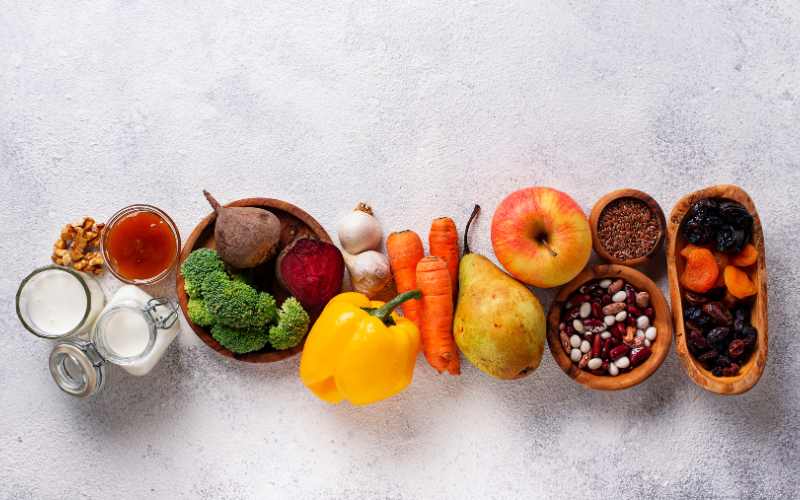
How to maximise your Food Cleanse results: A nutritionist's guide
Doing a Food Cleanse is a great first step. But how you do it makes all the difference between feeling mildly better for a few days and walking away with real, lasting results.
Whether you're approaching your first cleanse or you've done one before and want to get more out of it this time, this guide covers everything — from how to prepare your ...
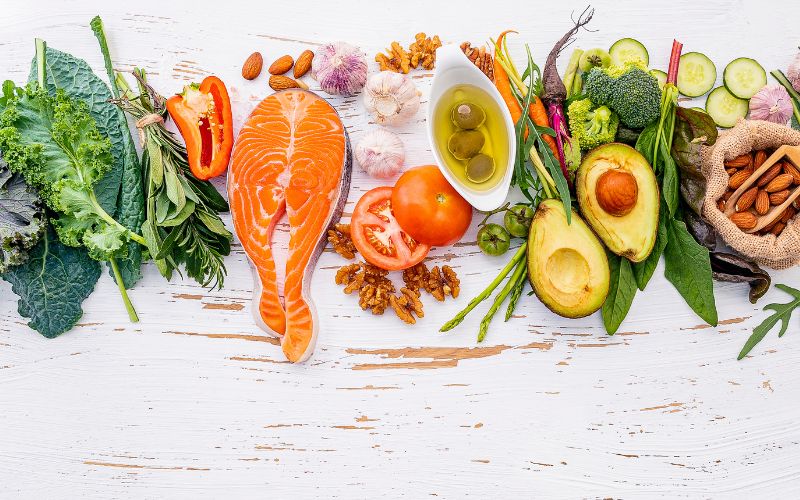
DASH Diet Australia: what it is, how it works & how meal delivery makes it easy
If your GP has told you to watch your blood pressure, there's a good chance they've mentioned the DASH diet — even if it didn't stick. The name doesn't exactly sell itself. But behind the acronym (Dietary Approaches to Stop Hypertension) is the most clinically proven, most GP-recommended eating plan in Australia for managing high blood pressure ...

Menopause weight gain: why it happens and what actually helps
If your weight has started creeping up around your middle even though nothing else about your diet or exercise has changed, you're not imagining it — and it's not a discipline problem. Menopause weight gain has a specific hormonal cause, and understanding it is the first step to actually managing it, rather than fighting your body with the same ...

Weight loss meal plans delivered to your door: find the right diet plan for you
Starting a weight loss journey is exciting. Sticking to it when life gets busy is the hard part. That’s where ready-made meal delivery changes everything. Instead of planning, shopping and cooking every meal from scratch, you get chef-made, nutritionist-approved meals delivered straight to your door — ready to heat and eat in minutes.
At ...
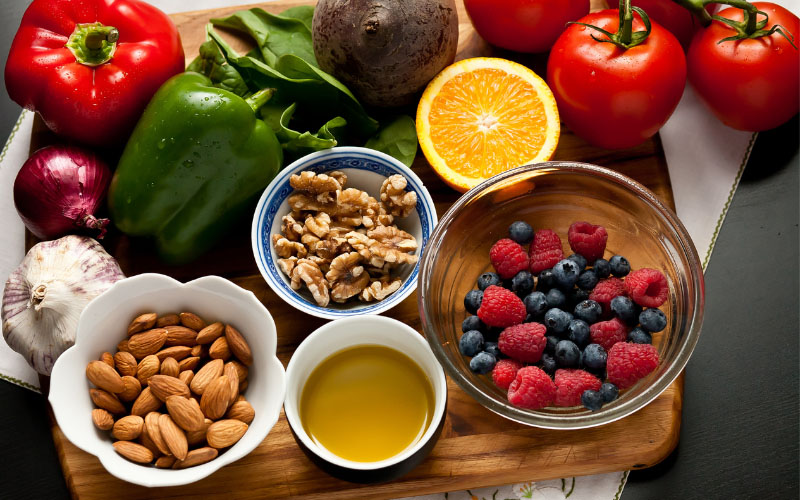
The Anti-Inflammatory Diet: A Simple Way to Protect Your Long-Term Health
Chronic inflammation is linked to the majority of the world's leading causes of death — heart disease, type 2 diabetes, and a long list of other conditions most of us would like to avoid. The encouraging part: diet is one of the most powerful, evidence-backed ways to reduce it. Here's what an anti-inflammatory way of eating actually involves, and ...

How to stop eating processed foods
If you've ever stood in front of your fridge at 7pm, exhausted from work, with no energy to cook, you're not alone. The instant meal in the freezer or the takeaway menu on the bench suddenly looks very appealing. This is the reality for most time-poor Australians, and it's precisely why ultra-processed foods have become such a dominant part of our ...

Weight loss vs fat loss: differences between the two and what matters most
Have you ever experienced a dramatic drop in weight, only to have the weight creep back just as quickly? If so, you've experienced the difference between weight loss and fat loss firsthand. Recognising this distinction is crucial for anyone serious about improving their body composition, health, and long-term results.

Meal plan for type 2 diabetes: a 7-day example
What does a real, balanced meal plan for type 2 diabetes or prediabetes actually look like? We break down a sample 7-day menu, the three nutritional pillars behind it, and practical tips for making it stick.

How many calories should you eat a day to lose weight?
Understanding how many calories you should eat daily for weight loss is one of the most fundamental questions in health and fitness. There’s no one size fits all answer, it depends on your gender, age, activity level, current weight, and metabolic health.
This comprehensive guide breaks down everything you need to know about calorie intake, ...

What to eat on weight loss medications: complete guide
If you're on Ozempic, Wegovy, Mounjaro, Saxenda or Duromine, here's exactly what to eat: real protein targets, a sample day, and how to manage side effects while your appetite is reduced.

Is coffee good for weight loss?
You’re dieting and can’t imagine mornings without your brew. The big question: can you still drink coffee and lose weight? The short answer: yes… and sometimes no. It depends on how you drink it, when you drink it, and what the rest of your diet and lifestyle look like.

How to read food labels for diabetes
Food labels can feel like fine print, but for anyone managing diabetes they're a genuinely useful daily tool. Here's what actually matters on an Australian food label, and how it shifts depending on the type of diabetes you're managing.

Are frozen meals healthy? What to look for when comparing frozen vs fresh – and where to buy in Australia
Frozen food doesn’t always have the best reputation, mostly because the freezer section is filled with deep-fried snacks and sugary desserts. But freezing itself is just a smart way to slow deterioration and extend freshness. Before freezers were invented, people used ice boxes or even ice caves to preserve their food.
Freezing truly is a tried, ...

How to read food labels in Australia: your ultimate guide to healthier choices
If you’re trying to eat healthier, lose weight, or manage a health condition, navigating supermarket shelves can feel overwhelming. Packaging often makes bold claims - but what’s really inside? That’s where food labels come in.
Understanding how to read food labels is essential for making informed decisions about what you eat. Whether you're ...
9 detox foods for weight loss
Few phrases trend harder than detox diet or cleanse when you’re chasing weight loss. But here’s the catch: your body already runs a sophisticated natural detoxification system that’s operating 24/7 via your liver, kidneys, lungs, skin, and the gastrointestinal tract.
The smart play isn’t a pricey detox product, fancy supplements, or no ...

What to do when you hit a weight‑loss plateau
Few moments in a weight loss journey feel more frustrating than stepping on the scale day after day and seeing the same number. You haven’t changed your diet or skipped workouts, yet progress has stalled. Welcome to the weight loss plateau; a normal, biologically driven pause in fat loss that almost everyone meets sooner or later. Below ...

Does Ozempic cause muscle loss? Why diet still matters
Weight loss medications work mainly by suppressing appetite, not by choosing what kind of weight you lose. Here's why muscle loss is a real risk on Ozempic, Wegovy or Mounjaro, and the two things that actually protect against it.

Best fish for pescatarians
Making good fish choices is important for everyone who enjoys a seafood meal occasionally, but choosing the right fish matters even more if you're on a pescatarian diet.
As your main source of protein, opting for high-protein fish is an important consideration for pescatarians, as is looking for fish with good healthy omega fatty acids.
However, ...

43 high protein breakfast ideas to start your day strong
Protein is more than a muscle-building nutrient—it’s a metabolic multitasker. Eating enough protein at breakfast slows gastric emptying, keeps the hunger hormone ghrelin low, stabilises blood-sugar levels, and supplies the amino-acid building blocks your muscles need after an overnight fast. In practical terms, that means longer-lasting energy, ...

NDIS meal providers and your healthy weight goals
Staying within a healthy weight range and reaching your health goals is a challenge for lots of people. We live in a time where highly processed foods are available at the click of a button. Snacks tend to be packed with sugar and refined carbohydrates. Ready meals in the supermarket are often lacking in balance and the kind of nutritional value ...

MEDIA RELEASE: Dietlicious addresses heart health with new low salt meals range
Dietlicious: Australia's first ready-meal provider to use low sodium Heart Salt
Today Dietlicious has announced it has joined the fight against cardiovascular disease. They have become the first ready-made meal provider in Australia to make the switch away from regular salt to potassium-enriched salt, enabling them to offer a huge range of low ...

Why we switched to healthier Heart Salt in our meals
Australia is in the grips of a heart health crisis
We know from the data that coronary heart disease is the leading cause of death in Australia. We also know that in combination, coronary heart disease, hypertension (high blood pressure) and stroke contribute to 44% of all deaths. When it comes to our hearts, and the vessels and arteries that feed ...

Beat the average life expectancy: top threats to your life span & how to tackle them
Aussie life expectancy has dropped for the first time in decades
This alarming headline hit the news recently. Did you see it? It’s the unfortunate findings from the latest Australian Institute of Health and Welfare (AIHW) report. The report, which is issued every two years provides data on everything from hospitalisations, illnesses, causes of ...