Zoe Bingley-Pullin: Work smarter not harder – best meal prep ideas
- 10 Feb 2021
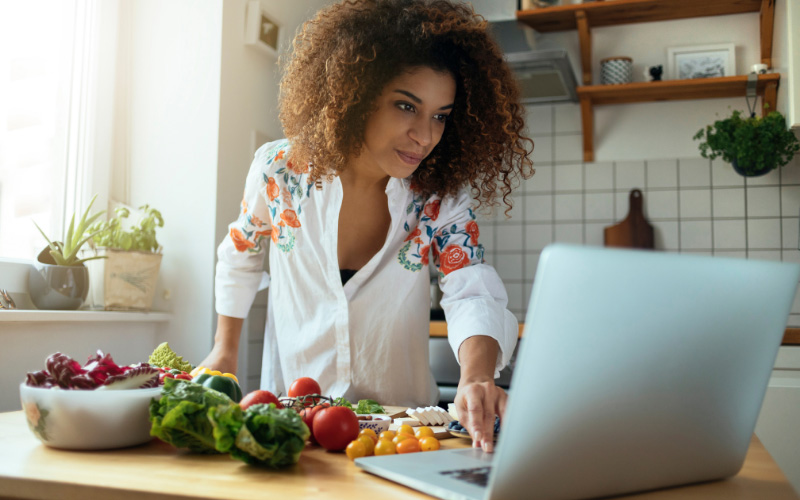
Here’s a statement I’ve heard a number of times – ‘meal prepping’s not for me’. If you’re a person with loads of time on your hands, then I’d probably agree. You may not need to meal prep. But most of us don’t have that luxury. Instead we’re juggling jobs, home, learning, partners, parents, kids, recreation and an overflowing email inbox! Unless you’re super woman, being busy and eating well don’t usually go hand in hand. So that’s where meal planning and prepping comes to the rescue.
Why I believe in meal planning + meal prepping
For me, meal planning and prepping keeps me on track with my health goals, it prevents wastage, plus it saves me time and money. It works for me and I think it can work for you too.
I start by spending 5 minutes meal planning every week which gives me a blueprint for the meals I plan to eat, fitted around my schedule. Meal prep is doing some of the meal-making grunt work ahead of time. It means getting dinner on the table after a busy day is quick and seamless, and always healthy. It’s not about doing more work, in fact, it’s about doing less but making that time count for more.
Without the discipline of a meal plan, many people lurch from one unprepared meal to the next and that’s when they’re more likely to fall back on something unhealthy and quick to fill the gap. If this sounds like you, read on to learn my top 10 meal prep ideas and work smarter (and healthier), not harder.
Meal prep like a pro – top 10 tips
1. Dedicate time. Spend an hour, save two is popular saying among meal planning experts and it definitely holds true. Ideally try to set aside 1-2 hours on a weekend or your day off to whip up a collection of meals for the week ahead.
2. Always double batch. Regardless of what you cook or when you cook, try to always cook more than you need for one meal, so that you can enjoy it two or three times afterwards.
3. Streamline your staples. If you select just a few staple ingredients, you can then use them multiple times throughout the week. For example, seasonal veges are usually in plentiful supply and more economical. If you choose recipes that will use the same vegetables, but have different proteins and sauces, then you can still achieve enough variety.
4. Get roasting. It’s one of the most efficient methods of cooking as once it’s in the oven, you’re completely free to move onto other tasks. Roasting a tonne of different vegetables ahead of time can save you untold hours when you want to eat in a hurry. Refrigerate or freeze for later use.
5. Chop chop. Pre-cutting vege sticks and fruit is another good meal prep idea that sets you up for healthy eating all week.
6. Chill out. A freezer is a meal prepper’s best friend. Freezing portion sized servings of your pre-cooked meals means you can quickly reach for a healthy frozen dinner anytime. That can save you from making poor last minute decisions when you’re hungry. Freezing also saves you from wasting food too.
7. Multitask. For optimal efficiency, aim to pre-cook two meals at once. Concurrent cooking means less overall time for greater output. Same goes for your kitchen equipment – get them all going at the same time to maximise yield – slow cooker, crockpot, microwave, food processor, thermomix, blender… go go go!
8. Develop your own leftovers recipe. Create one recipe that uses up all the leftover veg in the fridge. Good examples are a casserole, bolognaise sauce or frittata which can all hide any ingredients that are beginning to wilt.
9. Batch cook grains. It’s something that few of us do but it is a real time-saver. Brown rice, pasta, quinoa, buckwheat, teff, cous cous, barley - divide into portions and freeze. Thaw/reheat for quick use. They can be added to almost any meal from a stirfry, stew, soup, meat and veg, or salad.
10. Be sauce savvy. Make larger quantities in advance for a quick meal, many freeze well. Why not try pesto, dips, olive tapenade, chimichurri, dressings and tomato sauces? Most home-made versions are healthier, free of additives and taste better too!
And if these meal prep ideas all seem beyond you, you can still eat well and save time when you stock your freezer with healthy meals from Dietlicious. Their extensive range of breakfasts, lunches and dinners, salads, snacks and full meal plans means you’ll always have something wholesome to fall back on.
Frequently Asked Questions
What is the difference between meal planning and meal prepping?
Meal planning is deciding what you’re going to eat ahead of time and creating a simple blueprint for the week. Meal prepping involves preparing some or all of those meals or ingredients in advance, so healthy meals are quicker and easier to put together when you’re busy.
How long do meal-prepped meals last in the fridge?
Most cooked meals can be stored safely in the refrigerator for several days when cooled and stored correctly. If you won’t eat them within that time, freezing individual portions is a great way to extend their shelf life and reduce food waste.
Is meal prepping good for weight loss?
Meal prepping can make healthy eating easier when you’re trying to lose weight. Having balanced, portion-controlled meals ready to go can help reduce last-minute takeaway or convenience food choices and make it easier to stay consistent with your eating plan.
What are the best foods to meal prep?
Foods that work well for meal prep include roasted vegetables, cooked grains, lean proteins, soups, stews, casseroles, sauces and snacks such as chopped fruit and vegetables. Choose ingredients that can be used in several different meals to save time while still enjoying plenty of variety.
Can you freeze meal-prepped food?
Yes. Freezing is one of the easiest ways to meal prep. Portion cooked meals, grains, sauces and some vegetables into suitable freezer-safe containers and freeze them for later. Having a selection of healthy meals in the freezer means you always have something convenient to reach for.
How can I meal prep if I don't have much time?
You don't need to spend hours in the kitchen to meal prep. Start with just 30–60 minutes and focus on a few simple tasks, such as roasting vegetables, cooking a protein, preparing a grain and making a sauce. You can also save time by batch cooking or keeping a few healthy frozen meals on hand.
First published: October 2021
Updated: September 2026 by the Dietlicious team to add FAQs.
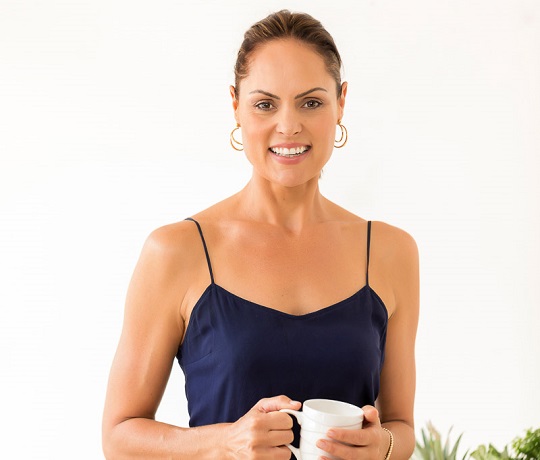
Zoe Bingley-Pullin is an Accredited Practising Dietitian and former Dietlicious brand ambassador.
Most Recent Posts