The truth about Ozempic: unveiling the hidden dangers of weight loss pills and injections
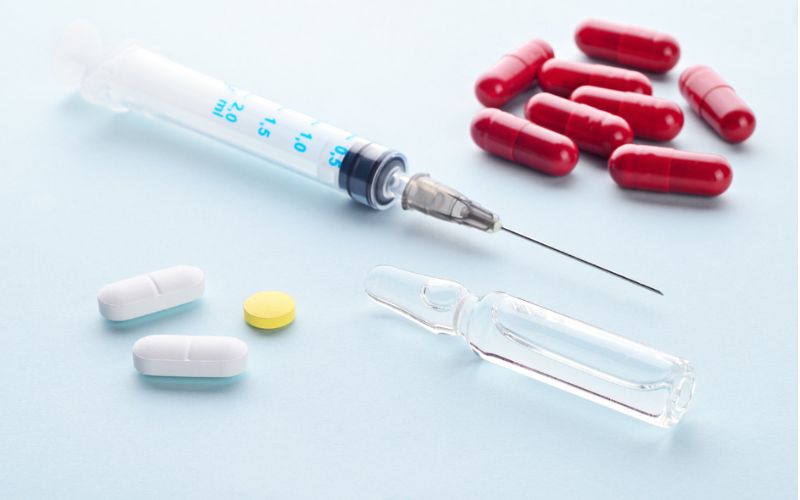
The popularity of Ozempic for weight loss
If you haven’t heard of Ozempic yet, you’ve probably been living under a rock! There’s plenty of buzz about the use of this diabetes medication as a wonder weight loss tool. Speculation about which Hollywood A-listers are using it is rife, but it’s not just celebrities that are accessing this drug. Everyday Australians on a quest for a magic solution to their weight woes are hankering to get their hands on this medication.
The lure of easy weight loss is easy to understand. However, weight loss drugs are not risk-free. Like any other medication, they come with warnings about potential side effects, which vary in seriousness and can impact individuals differently. In this article, we’ll examine some of the dangers of taking Ozempic weight loss injections or other medications to lose weight.
How do weight loss medications like Ozempic work?
Firstly, let’s get it clear that Ozempic is approved for use in Australia as a diabetes medication. It’s not approved for weight loss.
To add some confusion, the active ingredient in Ozempic (semaglutide) has been approved in Australia under the brand name of Wegovy, for weight loss purposes. However, Wegovy is currently unavailable for prescription here due to a worldwide shortage. This is also impacting supply of Ozempic. Yes, they are the same drug and yes, they are made by the same manufacturer.
So, how does semaglutide work? Well, it helps to control blood sugar levels in the body by mimicking the activity of a digestive hormone called GLP-1. It also reduces appetite by slowing the digestive transit of food. People taking Ozempic / semaglutide lose weight because they consume fewer calories overall, not because the medication miraculously burns fat.
There are three other medications also approved for obesity management in this country, and they are all readily available. These are phentermine (Duromine) which suppresses appetite; orlistat (Xenical) which reduces absorption of dietary fat; and liraglutide (Saxenda), which works in a similar way to semaglutide in simulating the hormone GLP-1.
Ozempic weight loss – side effects and risks
While weight loss pills and injections may seem like a quick fix, they can pose many dangers to your health. The list of possible side effects is, quite frankly, scary! The top three on the list below are very common side effects associated with weight loss pills and injections. The remaining dangers have also been associated with one or more weight loss medications.
- Gastrointestinal problems: including diarrhoea, vomiting, stomach cramps, flatulence and reflux. These symptoms can have a significant impact on daily quality of life, including mood and energy levels.
- Nausea.
- Cardiovascular risks: Many weight loss medications, including Ozempic and Duramine, can increase heart rate and blood pressure, putting individuals at risk of heart-related issues.
- Mental health concerns: Some weight loss medications have been linked to mood swings, anxiety, and depression.
- Vision issues: including possible damage to the retina. Concerningly, a number of recent Australian cases even report blindness.
- Dizziness and fainting.
- Headaches.
- Insomnia and tiredness.
- Nervousness.
- Swelling: of the throat, tongue and mouth and/or problems swallowing or breathing.
- Pancreatitis: has been reported in individuals using This condition can cause severe abdominal pain and requires immediate medical attention.
- Thyroid tumours.
- Liver injury.
As you can see, the risks can be significant. Individuals react differently to different medications, so it’s impossible to predict how these ones might impact you. It is crucial to consider the risks carefully before making a decision to start on any weight loss medication and stay under the care of a doctor for ongoing monitoring.
Is Ozempic an effective long term weight loss solution?
The short answer to this question is no. The reason for this is that when it comes to keeping the weight off long term, there are two major disadvantages of using Ozempic weight loss medications.
Firstly, disordered eating is a phenomenon that doctors have seen more regularly in patients that use weight loss medications. Research suggests that while on the medication, patients feel like they can eat whatever they like and still lose weight. Eating the wrong foods, or a lack of food (as you aren’t hungry) leaves your body undernourished and unhealthy. Disordered eating can take the form of bulimia nervosa and anorexia nervosa, or just having an unhealthy attitude towards what and when you eat. Simply put, taking a medication for weight loss does not teach you the right foods to eat in the right quantities to optimise your health, so it’s not an effective long-term solution.
The second key issue is weight gain rebound. When the weight loss drugs are stopped, many people gain back weight they have lost. Research confirms that medications perpetuate weight cycling, also known as yo-yo dieting. This can lead to loss of muscle mass, increased pressure on the heart, and increased risk of diabetes.
Taking an injection or pill alone, without any lifestyle or nutrition changes, can mean that the weight loss is not sustainable, and the person is actually damaging their health. Ozempic, or any other weight loss medication, is not a substitute for a healthy lifestyle.
Top 3 natural approaches to healthy, sustainable weight loss
While Ozempic weight loss and other pills or injections may offer short-term results, they often fail to address the root causes of weight gain. By focusing on your lifestyle habits, you can lose weight plus contribute to improved overall wellbeing. These methods pose no risks to your health – happy days!
1. Diet and nutrition – weight loss meals
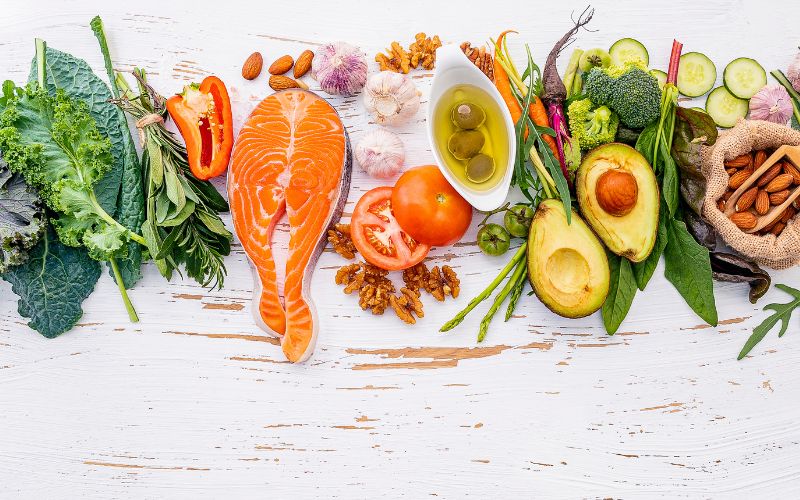
Eating a well-balanced, nutritious diet is crucial for weight loss. At a minimum, a nutrition-rich weight loss meal plan should include eating wholefoods from all food groups; being mindful of portion control; and limiting calorie-dense snacks and processed foods. Also important is keeping well hydrated with water and herbal teas, avoiding sugary beverages. Lastly, preparing meals in advance can be a game-changer for those with the tendency to make impulsive food choices when hungry. You can meal prep like a pro with these ideas.
2. Exercise and physical activity
While healthy eating is crucial for weight loss, incorporating regular exercise into your routine is equally important. Exercise not only helps burn calories but also builds lean muscle mass, which boosts metabolism. Plus, physical activity has been shown to reduce stress, improve mood, and enhance overall mental well-being. This can be especially beneficial during the weight loss journey when motivation may waver.
Incorporate a combination of cardiovascular exercises and strength training into your routine for optimal weight loss and overall health. If you want more information, here’s an article on the debate about Diet versus Exercise for weight loss.
3. Behavioural changes
Addressing the underlying behaviours and habits that may have contributed to your weight gain is crucial for long term success. You could consider working with a therapist or joining a support group to help you navigate emotional eating and to develop healthier coping mechanisms.
Extra benefits of natural weight loss – energy, vitality & longevity
Eating healthy food, exercising and tackling food behaviours is not just about weight loss, it’s about good health. All your organs and body functions work more optimally when you are properly nourished.
You deserve to lose weight but you also deserve to feel good, so don’t sell yourself short by losing weight at the expense of your wellbeing. Getting your health on track means you can tackle life with a spring in your step and have the energy and vitality to enjoy everyday living. Being healthy also promotes good mobility, glowing skin, and having a positive mindset, to name a few. A healthy mind and healthy body contribute to happiness and longevity.
Which weight loss option will you choose?
As you can see, it is essential to approach weight loss options with caution and make informed decisions. While Ozempic and other weight loss pills and injections may offer an appealing quick fix without any effort, they also come with potential risks.
The safest way to lose weight is with diet and exercise. You can achieve sustainable weight loss and improve health for the long term - with no negative side effects, no disordered eating, and without immediate weight rebound!
Eating a healthy, balanced diet that is low in calories and high on nutrition, such as the weight loss meals from Dietlicious is the way to go. You could try our rapid weight loss plans for quick results that are safe or our moderate weight loss plans for a more steady approach.
See which weight loss meal plan is best for you here
If you want extra one-on-one support, you might want to seek help from a registered dietitian. They can work with you to develop a personalised health and weight loss meals plan tailored to your specific needs and goals.
Remember, a healthy lifestyle is a lifelong commitment, and small changes can make a significant impact on your weight loss and your wellbeing. You can achieve sustainable weight loss without relying on medication.
Powered by Mirasvit Magento 2 Extensions
-
 7 signs of an unhealthy gut - and how to fix it
-
 Why ditching ultra processed foods may be your ticket to ultimate health
-
 How to maximise your Food Cleanse results: A nutritionist's guide
-
 DASH Diet Australia: what it is, how it works & how meal delivery makes it easy
-
 Menopause weight gain: why it happens and how diet helps