
7 signs of an unhealthy gut - and how to fix it

Bloating, brain fog, poor sleep, skin breakouts — your body may be sending gut health SOS signals you're ignoring. Here's what to look for, what to avoid, and exactly what to eat to get your microbiome back on track.
What is gut health and why does it matter?
Your gut is home to trillions of bacteria, fungi, and microorganisms collectively known as your gut microbiome. This complex ecosystem does far more than digest your food — it regulates your immune system, produces key hormones, influences your mood, and even affects how well you sleep.
When your gut microbiome is in balance (meaning plenty of diverse, beneficial bacteria), your whole body benefits. But when it's out of balance — a state known as dysbiosis — the knock-on effects can show up almost anywhere.
The good news is that your microbiome is remarkably responsive to what you eat. Understanding the warning signs of an unhealthy gut is the first step to fixing it.
7 warning signs of an unhealthy gut
1. Digestive irregularity
Frequent bloating, excess gas, constipation, or loose stools are often the first signs your microbiome is struggling. These aren't just minor inconveniences — they're your digestive system's distress signal. When beneficial bacteria decline, harmful microbes can take over and disrupt the normal function of your digestive tract, making everyday eating uncomfortable.
2. Unexpected weight changes
Struggling to shift stubborn weight, or experiencing changes without altering what you eat? Your gut bacteria directly influence how your body extracts calories from food and regulates fat storage. An imbalanced microbiome can interfere with metabolism in ways that make weight management surprisingly difficult — even when you're doing everything else right.
3. Disrupted sleep
Poor sleep quality often has its roots in the gut. Gut bacteria play a key role in producing serotonin and melatonin — the hormones that govern your sleep-wake cycle. When your microbiome is compromised, production of these hormones can be disrupted, leaving you tossing and turning no matter how early you get to bed.
4. Skin problems
Persistent skin issues like acne, eczema, or unexplained rashes can reflect what's happening internally. When the gut lining becomes compromised (sometimes called "leaky gut"), inflammatory compounds can enter the bloodstream and trigger inflammatory responses in the skin. Poor gut health can also impair the absorption of nutrients — like zinc and vitamin A — that are essential for healthy, clear skin.
5. Intense sugar cravings
That relentless pull toward sweet foods may not be a willpower problem at all — it could be your gut bacteria calling the shots. Certain bacteria in the gut thrive on sugar and can actually influence your appetite signals to get more of what they need to multiply. The more sugar you eat, the more these bacteria flourish, creating a feedback loop that's hard to break without addressing the microbiome itself.
6. Getting sick frequently
If you seem to catch every cold or virus going around, your gut health could be a contributing factor. Approximately 70% of your immune system is located in your gut. A diverse, thriving microbiome is essential for a well-functioning immune defence. When that balance is disrupted, your body becomes more vulnerable to pathogens and less capable of fighting them off efficiently.
7. Mood fluctuations and anxiety
Anxiety, low mood, or unexplained emotional shifts can all connect back to gut health through what scientists call the gut-brain axis. Your gut is sometimes referred to as the "second brain" because it produces around 95% of your body's serotonin — the key hormone responsible for mood regulation. When gut bacteria become imbalanced, this critical pathway is disrupted, often manifesting as emotional changes that seem to have no obvious cause.
How to restore gut health: 5 evidence-based strategies
Recognising the signs is just the beginning. The powerful thing about gut health is that your microbiome responds quickly and meaningfully to positive changes in diet and lifestyle. Here's where to start:
1. Eat more plants — aim for 30 different types per week
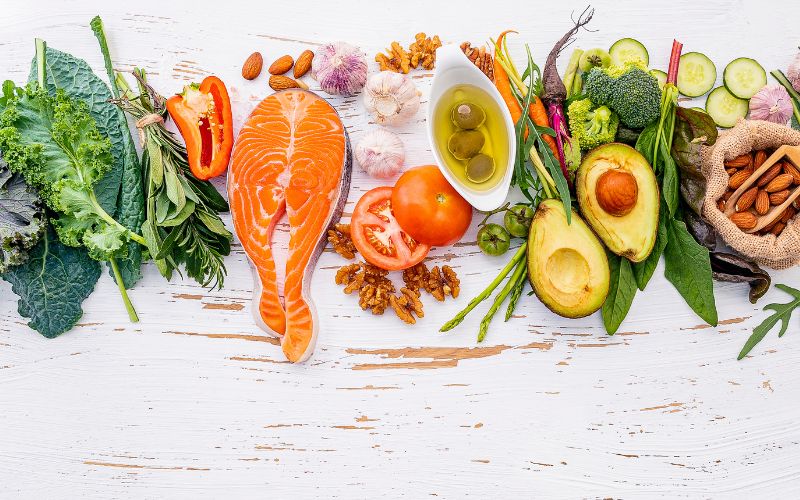
Plant diversity is one of the most powerful levers you have. Research from the American Gut Project found that people who ate 30 or more different plant foods per week had significantly more diverse gut microbiomes than those who ate fewer than 10. Plants provide fibre — the fuel that beneficial bacteria thrive on — as well as polyphenols, which have potent anti-inflammatory and antioxidant properties. Fruits, vegetables, legumes, whole grains, nuts, seeds, herbs, and spices all count.
2. Add prebiotic foods to every meal
Prebiotics are a type of dietary fibre that your gut bacteria ferment and convert into beneficial compounds called short-chain fatty acids (SCFAs). SCFAs like butyrate help maintain the gut lining, reduce inflammation, and support immune function. Great prebiotic sources include garlic, onions, leeks, asparagus, bananas, oats, chickpeas, lentils, and apples.
3. Incorporate fermented foods
Fermented foods contain live microorganisms that can help replenish and diversify the good bacteria in your gut. Include options like natural yoghurt, kefir, kimchi, sauerkraut, miso, and kombucha in your regular diet. If you're new to fermented foods, introduce them gradually to avoid temporary digestive discomfort.
4. Reduce processed foods and preservatives
Heavily processed foods, artificial preservatives, and refined sugars are consistently associated with reduced microbiome diversity and increased gut inflammation. Feeding your gut a diet built on whole, minimally processed ingredients is one of the most straightforward changes you can make — and one of the most impactful. You may need this helpful guide on how to stop eating processed food.
5. Manage stress and prioritise sleep
Chronic stress alters gut motility, increases harmful bacteria, and can trigger a leaky gut response. Regular movement, time in nature, deep breathing, and good sleep hygiene all support a healthier gut environment. The gut-brain relationship works in both directions — just as a healthy gut supports better mental health, managing stress actively helps protect your microbiome.
Foods to avoid for a healthy gut
Knowing what to eat is only half the equation. Certain foods actively work against your microbiome and can undermine even the best dietary intentions. Here's what to limit or eliminate:
- Ultra-processed foods: packaged snacks, fast food, and ready meals loaded with additives, emulsifiers, and artificial flavours have been directly linked to reduced microbiome diversity.
- Refined sugar and high-fructose corn syrup: feed harmful gut bacteria and yeast, fuelling the dysbiosis cycle.
- Artificial sweeteners: compounds like aspartame and sucralose may disrupt the composition of gut bacteria even at low doses, according to emerging research.
- Alcohol: excessive alcohol consumption damages the gut lining and significantly reduces the diversity of beneficial bacteria.
- Refined carbohydrates: white bread, pastries, and processed cereals are rapidly digested and leave little fuel for gut bacteria, starving the microbiome of the fibre it needs.
- Foods with artificial preservatives: certain preservatives, like sodium benzoate and sulphites, have been shown to inhibit the growth of beneficial bacteria.
The simplest way to start eating for your gut
Knowing what to eat is one thing. Actually doing it — especially when you're busy, tired, or just not sure where to start — is another.
That's exactly why we created the Gut Health Lunch + Dinner Pack — Australia's most convenient gut health meal delivery solution. This 5-day meal pack has been designed from the ground up to support a healthy microbiome. Every meal is:
- High in gut-loving fibre, with an emphasis on diverse plant-based ingredients
- Rich in dietary variety, supporting the diverse microbiome that research consistently links to better health
- Free from processed ingredients and preservatives — nothing that works against your gut
- Chef-prepared and snap-frozen to lock in nutritional value and freshness
- Ready to heat in minutes — no meal prep, no shopping, no guesswork
At just $139 for a full 5 days of lunches and dinners, it's one of the most effective and affordable gut health meal plans available for delivery across Australia.
→ Shop the Gut Health Lunch + Dinner Pack
Gut health is just the beginning
Optimising your gut health is one of the most significant things you can do for your overall wellbeing — but it's just one piece of the picture. From blood sugar balance to heart health to longevity, the food you eat every day shapes how you feel, how you age, and how well your body functions.
Explore our full library of nutrition content on our health blog and learn about our health-focused meal plans on the Dietlicious health and nutrition hub — where our team breaks down the science into simple, actionable guidance.
Frequently Asked Questions
What are the most common signs of an unhealthy gut?
The most common signs of an unhealthy gut include persistent bloating, gas, constipation, or diarrhoea, as well as fatigue, disrupted sleep, skin issues like acne or eczema, frequent illness, and mood fluctuations like anxiety or low mood. If you're experiencing several of these at once, your gut microbiome may be out of balance.
How long does it take to improve gut health through diet?
The gut microbiome can begin to respond to dietary changes within just a few days. Research shows measurable shifts in microbiome composition within 3–5 days of changing your diet. However, more sustained, significant improvements typically come from consistent dietary changes maintained over several weeks to months.
What foods are best for gut health?
The best foods for gut health include:
- Prebiotic-rich foods: garlic, onions, leeks, asparagus, oats, bananas, chickpeas, and lentils
- Fermented foods: natural yoghurt, kefir, kimchi, sauerkraut, miso, and kombucha
- High-fibre plant foods: vegetables, fruits, legumes, whole grains, nuts, and seeds
- Diverse plant variety: aiming for 30 different plant foods per week significantly improves microbiome diversity
What foods should I avoid for gut health?
To support a healthy gut microbiome, limit or avoid ultra-processed foods, refined sugars, artificial sweeteners, alcohol, refined carbohydrates like white bread and pastries, and foods containing artificial preservatives. These foods reduce microbiome diversity and can fuel the growth of harmful bacteria.
What is the gut-brain axis?
The gut-brain axis is the two-way communication network between your gut and your brain. Your gut produces approximately 95% of the body's serotonin — a key mood-regulating neurotransmitter — and is directly connected to the brain via the vagus nerve. This means the state of your gut can directly influence your mood, mental clarity, stress levels, and cognitive function.
Can a meal delivery service really help improve gut health?
Yes — consistently eating the right foods is the single most important factor in improving gut health, and a well-designed meal plan makes that consistency effortless. The Dietlicious Gut Health Lunch + Dinner Pack is specifically designed with high-fibre, diverse, preservative-free meals that actively support a healthy microbiome, removing the guesswork entirely. It's one of the best gut health meal delivery options available in Australia.
Does the Gut Health Pack contain fermented foods?
The Gut Health Lunch + Dinner Pack is focused on delivering high-fibre, plant-rich, whole-food meals free from preservatives and artificial additives. For fermented foods like yoghurt and kefir, we recommend adding these to your breakfasts or snacks alongside the pack to further support your microbiome.
Is the Gut Health Pack suitable for people with food allergies?
All Dietlicious meals are prepared in a kitchen that also produces meals containing wheat, oats, gluten, fish, seafood, dairy, eggs, soy, nuts, and seeds. If you have food allergies, please review individual meal ingredients carefully before ordering, or contact our team for guidance.
How does stress affect gut health?
Chronic stress has a direct negative impact on the gut microbiome. It can alter gut motility (how quickly food moves through your digestive system), increase the presence of harmful bacteria, reduce microbiome diversity, and contribute to leaky gut — where the gut lining becomes permeable and allows inflammatory compounds into the bloodstream. Managing stress through exercise, sleep, and mindfulness is an important part of any gut health strategy.
Author: Joanna O'Sullivan, Associate Nutritionist (GDHumNutr)
First written: 15/06/2026
At Dietlicious, all meals are prepared by expert chefs using high-quality, wholefood ingredients and are snap-frozen to preserve nutrients and flavour. Delivered to your door across Sydney, Melbourne, Brisbane, the Gold Coast, Canberra, Adelaide and many regional areas.
Powered by Mirasvit Magento 2 Extensions
-
7 signs of an unhealthy gut - and how to fix it
-
 How to maximise your Food Cleanse results: A nutritionist's guide
-
 DASH Diet Australia: what it is, how it works & how meal delivery makes it easy
-
 Menopause weight gain: why it happens and how diet helps
-
 Weight loss meal plans delivered to your door: find the right diet plan for you