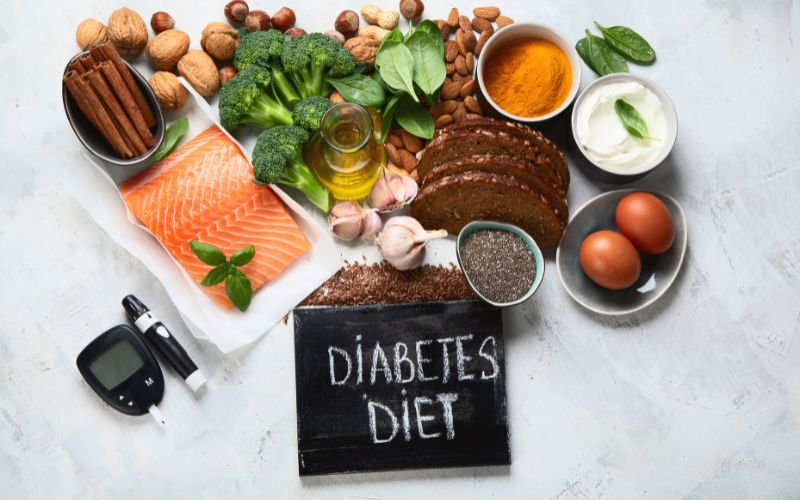
How to reverse prediabetes naturally: 5 evidence-based tips
- 31 Jan 2024
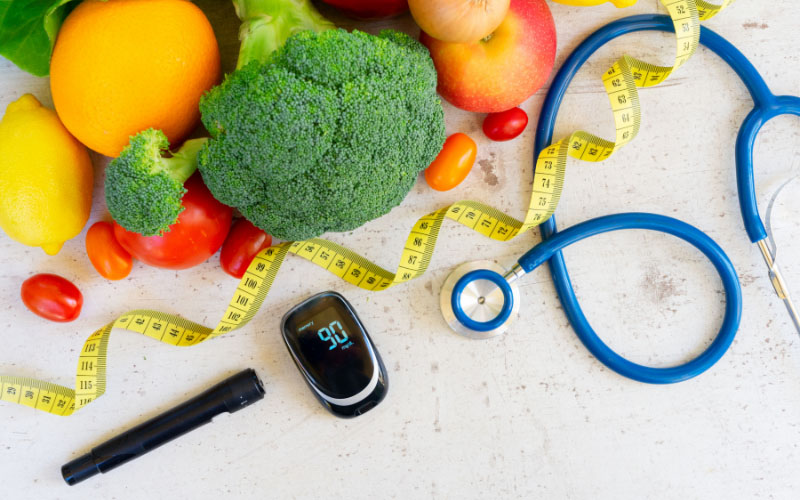
Prediabetes can often be reversed through diet and lifestyle change alone. Here are five evidence-based tips — and an honest look at what “reversal” and “remission” actually mean.
If you've recently been told you have prediabetes, the good news is that it can often be reversed naturally through diet and lifestyle change — before it progresses to type 2 diabetes. This article covers what prediabetes actually is, five evidence-based tips for reversing it, and an honest note on the difference between “reversal” and “remission.”
What is prediabetes?
Prediabetes is a condition in which blood sugar levels are higher than normal, but not yet high enough to be classified as type 2 diabetes. Diabetes Australia currently states that “two million Australians have prediabetes and are at high risk of developing type 2 diabetes. (2026) Left untreated, prediabetes can progress to type 2 diabetes and increase the risk of nerve, blood vessel, kidney and vision complications. The encouraging part is that, for many people, it can be reversed through changes to diet, activity and weight.
How prediabetes is usually diagnosed
Prediabetes is typically picked up through one of two blood tests: a fasting blood glucose test, or an HbA1c test, which measures your average blood glucose over the past two to three months. If your results sit above the normal range but below the threshold for type 2 diabetes, your doctor may describe this as prediabetes, impaired fasting glucose, or impaired glucose tolerance — the terms vary, but the practical guidance is largely the same: diet and lifestyle change now can meaningfully reduce your risk of progressing further.
A note on “reversal” vs “remission”
You may hear the terms “reversal” and “remission” used when talking about prediabetes and type 2 diabetes. While they sound similar, there is an important difference.
Prediabetes can often be reversed through changes to diet, physical activity and lifestyle, bringing blood sugar levels back into the healthy range.
For type 2 diabetes, the term doctors generally use is remission. This means blood sugar levels return to a non-diabetic range, often following significant weight loss and lifestyle changes, without the need for diabetes medication. However, remission doesn't necessarily mean the diabetes is permanently cured, and blood sugar levels can rise again.
If you have type 2 diabetes and take medication, talk to your doctor before making significant changes to your diet or exercise. As your blood sugar levels improve, your medication may need to be adjusted.
5 evidence-based tips to reverse prediabetes naturally
1. Aim for a modest weight loss
Research consistently shows that a 5–10% reduction in body weight can significantly improve insulin sensitivity and lower blood sugar for people who are carrying excess weight. This doesn't require dramatic measures — a steady, sustainable rate of loss is more likely to stick, and more likely to be maintained.
2. Shift toward low GI carbohydrates
Swapping refined, high-GI carbohydrates (white bread, sugary cereals, pastries) for wholegrains, legumes and non-starchy vegetables reduces the size and speed of blood sugar spikes after eating, which eases the demand on your body's insulin response over time.
3. Build regular movement into your week
Both aerobic exercise (walking, swimming, cycling) and resistance training improve how effectively your muscles take up glucose from the bloodstream. Even short, regular walks — particularly after meals — can measurably reduce post-meal blood sugar spikes.
4. Increase fibre intake
Fibre, particularly from vegetables, legumes and wholegrains — slows digestion and the release of glucose into the bloodstream, and supports the gut bacteria associated with healthier metabolic function.
5. Prioritise consistent sleep
Poor or irregular sleep is linked to reduced insulin sensitivity and increased cravings for high-GI foods. Aiming for consistent, adequate sleep is a often-overlooked but genuinely useful lever alongside diet and exercise.
Making it sustainable
None of the five tips above require a complete diet overhaul overnight — the research is clear that gradual, sustainable change outperforms short bursts of extreme restriction. If cooking balanced, low GI meals from scratch every night isn't realistic for your week, a done-for-you option like our 10 Diabetic Meals Pack or a diabetic-friendly meal plan can take that daily decision-making off your hands while you build these habits.
How long does it take to see results?
Timelines vary from person to person, but many people who make consistent changes to diet and activity see measurable improvements in blood glucose within three to six months — which is typically when a follow-up HbA1c or fasting glucose test would next be done. Weight loss, in particular, tends to show its effect on insulin sensitivity progressively rather than overnight, which is another reason a sustainable pace beats a drastic short-term approach: the habits need to still be in place at the three-month mark for the test to reflect them.
Lifestyle factors that are easy to overlook
Diet and exercise get most of the attention, but two other factors quietly influence blood glucose too. Chronic stress raises cortisol, which can push blood sugar higher independent of what you eat. That's why building in some form of regular stress management, such a daily walk or a few minutes of deliberate downtime, is a legitimate part of a prediabetes reversal plan, not an afterthought. You can also learn how to combat stress with good nutrition.
Alcohol is the other one - it's calorie-dense, often paired with high-GI foods, and can interfere with sleep quality, so reducing intake tends to support the other four tips rather than working against them.
A final word
Prediabetes and type 2 diabetes are individual conditions, and progress looks different for everyone. Regularly monitoring your own blood sugar, and checking in with your GP or a diabetes educator, is the safest way to track whether your changes are working — and to adjust your approach if they're not.
Most Recent Posts