Is plant-based meat healthy? What's really in a veggie burger
- 6 Jan 2020
Updated 2026 - originally published 6 January 2020
You've almost certainly seen the plant-based burgers that took over fast food menus and supermarket shelves in recent years — Impossible Burger, Beyond Burger, Hungry Jack's plant-based Whopper and v2food's patties among them. They're marketed as a healthier, more sustainable alternative to a regular beef burger. But is that actually true?
In this article, we compare two of the best-selling commercial plant-based burgers against our own chef-made, wholefood Vegetable + Lentil Burger. We won't name specific brands — plant-based patties are reformulated often, and today's ingredient list can be different by next year — but both of the commercial products compared here are sold at popular fast-food outlets and have received plenty of media attention for how closely they replicate a meat patty.
The rise (and recent dip) of plant-based meat
Plant-based meat had a huge growth run in Australia between 2019 and 2021, with brands like Beyond Meat and Impossible Foods launching in local supermarkets and fast-food chains. But more recently, industry data shows plant-based meat sales have cooled both here and overseas, and some retailers have quietly shrunk their plant-based ranges.
Importantly, this doesn't seem to mean Australians are simply going back to meat. Nutrition researchers and food industry analysts point to a more specific shift: shoppers moving away from heavily processed "meat mimic" products and toward simpler, less-processed plant proteins — legumes, tofu, tempeh and wholefood veggie patties. In other words, the appetite for plant-based eating hasn't disappeared; it's the appetite for ultra-processed plant-based meat that's changed.
What's actually in a commercial plant-based burger?
Let's see how two popular commercial plant-based burgers measure up against our chef-made, wholefood Vegetable + Lentil Burger. We've underlined the ingredients worth a second look — either because they're highly processed, or because they're food additives worth knowing about.
|
|
Commercial Plant-Based Burger A |
Commercial Plant-Based Burger B |
Dietlicious Vegetable + Lentil Burger |
| Ingredients* | Water, soy protein, vegetable oil, thickeners (461, 1442), flavours (incl. glutamic acid 620), dextrose, caramel colour (150c), antioxidants (300, 307), smoke flavour | Pea protein isolate (17–18%), expeller-pressed canola oil, refined coconut oil, cellulose from bamboo, methylcellulose, potato starch, natural flavour, maltodextrin, yeast extract, sunflower oil, vegetable glycerin, dried yeast, gum arabic, citrus extract, ascorbic acid, beet juice extract, acetic acid, succinic acid, modified food starch, annatto | Tomato, capsicum, pumpkin, sweet potato, zucchini, carrot, lentil, GF breadcrumbs, olive oil, onion, lemon juice, egg, parsley, garlic, spices, chilli, potassium-enriched Heart Salt, pepper |
| Energy | 674 cal | 755 cal | 333 cal |
| Total fat | 36.3 g | 41.1 g | 10 g |
| Sugars | 2.9 g / 100 g (incl. added dextrose) | 2.9 g / 100 g (incl. added maltodextrin) | 5 g / 100 g (no added sugar) |
| Sodium | 395 mg / 100 g | 333 mg / 100 g | 218 mg / 100 g |
| Fibre | 2–3 g (est.) | 2–3 g (est.) | 10 g |
*For the commercial burgers, we've listed the ingredients of the patty only — the full list including bun and fillings is longer. Nutrition figures relate to the full burger (bun, salad and sauce) as served as a meal. Fibre content is an estimate where not published by the manufacturer.
4 common myths about plant-based meat
A plant-based burger being labelled "plant-based" doesn't automatically mean it is any of the following:
Myth 1: Plant-based means vegetarian or vegan
"Plant-based" usually implies a product is suitable for vegans and vegetarians, but it's worth checking. If you're ordering from a fast-food outlet, ask whether the patty is cooked on the same grill as the meat products — many are, which makes them unsuitable if you're avoiding any contact with animal products. And if you're vegan, watch for the mayonnaise or cheese in the finished burger, which can contain egg or dairy even when the patty itself doesn't.
Myth 2: Plant-based means natural
Take a look at the ingredient list, like we did above, and decide for yourself how comfortable you are with it. We should all be eating more plants — but when an ingredient has been through heavy industrial processing and barely resembles the plant it started as, is it still meaningfully "plant food"? Many nutritionists lean on a simple rule: if you don't recognise the ingredient (or your grandparents wouldn't have cooked with it), think twice. Highly processed plant-based burgers often come with a side of additives, preservatives and flavour compounds that a home-cooked veggie burger simply doesn't need.
Myth 3: Plant-based means low in calories or fat
Not necessarily. The two commercial plant-based burgers compared above (as full meals — bun, mayo, sauce and salad included) pack 674 and 755 calories, with 36g and 41g of fat respectively — roughly a third of an average adult's daily energy intake in one burger. You'll also typically find canola or sunflower oil high up the ingredient list. Seed and vegetable oils are a genuinely debated topic in nutrition circles right now: some commentators argue they're inflammatory, while the current body of clinical evidence from major health bodies still generally favours unsaturated oils over saturated fat for heart health. Either way, the bigger issue with these burgers usually isn't the oil itself — it's the overall load of fat, additives and processing in one sitting.
Myth 4: Plant-based means salt- or sugar-friendly
Like many commercial meat burgers, the plant-based options we compared are high in sodium. On the sugar side, it's less about quantity and more about hidden added sugars — ingredients like dextrose and maltodextrin are added sugars in disguise, even though they don't always read as "sugar" on the label.
So, is your health at steak? Our verdict
Put points one to four together and it's clear: commercial plant-based fast-food burgers aren't a health food, plant-based or not. The most striking issue is how much of the plant in these burgers has been through a laboratory before it reaches your plate — extruded, isolated, stabilised and flavoured back into something resembling meat. Real food is still the foundation of good health, and heavily processed food isn't.
If you're after a genuinely healthy option, you're unlikely to find it at your local burger joint — plant-based or otherwise. That doesn't mean these burgers can't have a place in a balanced diet; enjoyed occasionally as a treat food, they're no worse than plenty of other fast food. Just don't mistake them for an everyday health choice.
A wholefood alternative you can enjoy any day
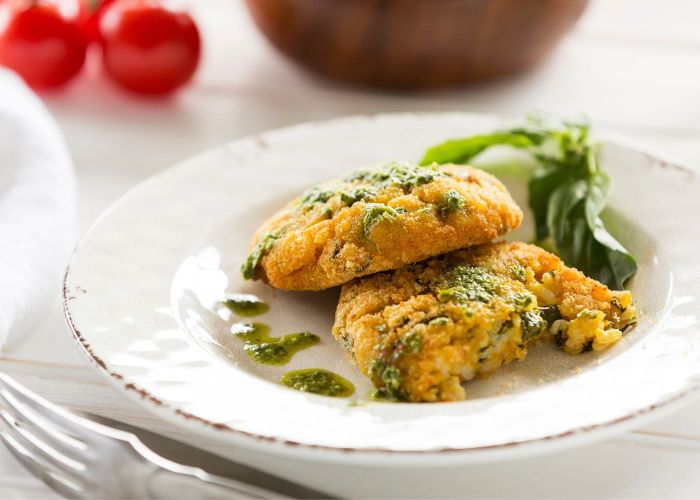
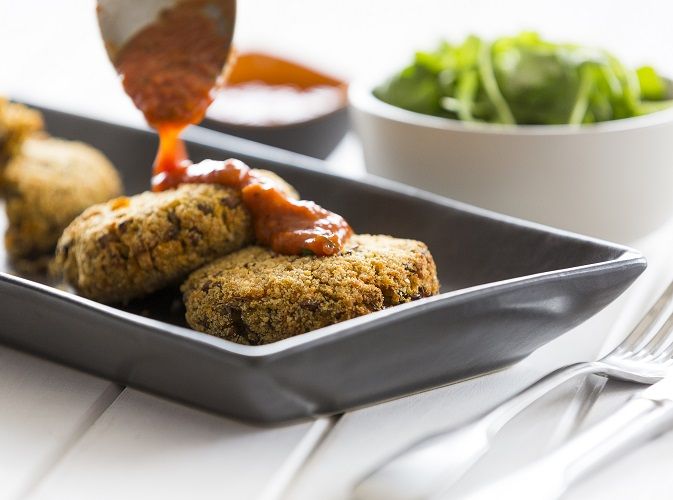
Our Vegetable + Lentil Burger is the option we'd reach for on a regular basis. It's made from wholefood ingredients only — nothing artificial, no preservatives, no additives — and it's naturally lighter while packing in gut-friendly fibre and other nutrients most commercial patties simply don't have. If you're after another wholesome vege option, our Risotto Cakes with Pumpkin + Pesto are also worth trying.
Browse our menu for more vegetarian and plant-based ready meals you can take from freezer to table in minutes.
Frequently Asked Questions
Is plant-based meat healthier than regular meat?
It depends on the product, not the category. Some plant-based burgers are lower in saturated fat and cholesterol-free, which can be a benefit. But many are also ultra-processed, high in total fat and sodium, and low in fibre — so a burger "being plant-based" doesn't automatically make it the healthier choice. Always check the nutrition panel and ingredient list rather than the marketing on the front of the pack.
Why are plant-based meat sales declining in Australia?
Industry data shows plant-based meat sales have softened in Australia and globally since around 2021, even as interest in reducing meat consumption continues. Much of the shift isn't a return to meat — it's consumers moving toward less processed plant proteins such as legumes, tofu and tempeh, and away from highly processed "meat mimic" products.
Are plant-based burgers ultra-processed food?
Many commercial plant-based burger patties fall into the ultra-processed category because they're made using industrial techniques (extrusion, isolates, stabilisers) and contain additives you wouldn't find in a home kitchen, such as methylcellulose or flavour compounds. Wholefood options built from vegetables, legumes and grains — like a lentil and vegetable patty — sit in a different, minimally processed category.
Are seed oils in plant-based burgers bad for you?
Seed and vegetable oils (like canola and sunflower oil) are a contested topic online, but the current body of clinical evidence from major health bodies still generally supports unsaturated oils over saturated fats for heart health. The bigger question for a plant-based burger usually isn't the oil itself, but how processed the overall product is and how much of it (fat, sodium, additives) you're consuming in one sitting.
What's a healthier alternative to a commercial plant-based burger?
Look for patties built from whole vegetables, legumes and grains with a short, recognisable ingredient list — think lentils, pumpkin, sweet potato and herbs rather than protein isolates and gums. These options are typically higher in fibre, lower in sodium and fat, and free from the additives found in many mock-meat products.
Most Recent Posts




Related Posts


Related Products