Can a plant-based diet boost your immune system? What the science says
- 28 Aug 2020

Updated August 2026. First published August 2020.
Every cold and flu season, the same question comes up: is there anything you can actually eat to help your body fight off whatever's going around? It's a question that got a lot of attention during the COVID-19 pandemic, when researchers and armchair experts alike went looking for ways diet might influence how well we handle a virus.
One of the more widely discussed claims came from nutrition scientist Dr T. Colin Campbell, who drew on decades of prior research to argue that a plant-based diet strengthens the immune system's ability to fight viral infection generally — colds, flu and coronaviruses included. So what does the evidence actually say, and is it worth changing how you eat?
Whether it's a rhinovirus (the common cold), an influenza strain, or a coronavirus, your immune system responds to viral invaders in a similar way: it produces antibodies designed to recognise and neutralise the specific threat. The faster and more effectively your body can produce these antibodies, the quicker — and often milder — your recovery.
This is where diet enters the conversation. Nutrition doesn't change the fundamental way your immune system works, but there's good evidence that what you eat can influence how well-equipped it is to do its job.
What the research says about plant-based eating and immunity
Dr Campbell's earlier research looked at diet and antibody response more broadly, and found that:
● people eating more plant foods tended to produce more antibodies; and
● people eating more animal protein tended to produce fewer.
It's worth being clear about what this research does and doesn't show. Dr Campbell hasn't specifically studied COVID-19, and this isn't a claim that a plant-based diet prevents infection with any particular virus. The pattern has held up for some viruses, including hepatitis B, but it's not proven across the board.
What it does suggest is a plausible, evidence-backed link between eating more vegetables, fibre and plant protein and having a more responsive immune system — which is a reasonable thing to aim for heading into any cold and flu season, COVID included.
5 more health benefits of eating more plants
Whatever role plants play in fighting off viruses, the broader case for eating more of them is well established. Diets high in fruits, vegetables, whole grains, legumes and nuts are consistently linked to:
- Improved cardiovascular health
- Better sleep quality
- Lower risk of several chronic diseases, including cancer and type 2 diabetes
- Reduced risk of obesity-related metabolic disease
- Prevention and management of hypertension, diabetes, osteoporosis, renal disease, dementia, gallstones and rheumatoid arthritis
Easy ways to start eating more plant-based meals
You don't need to go fully vegan overnight to get the benefit. A simple weekly structure — like Meatless Monday, or saving meat for weekends only — is an easy way to build the habit.
On a practical level, it's mostly about substitution. Try swapping:
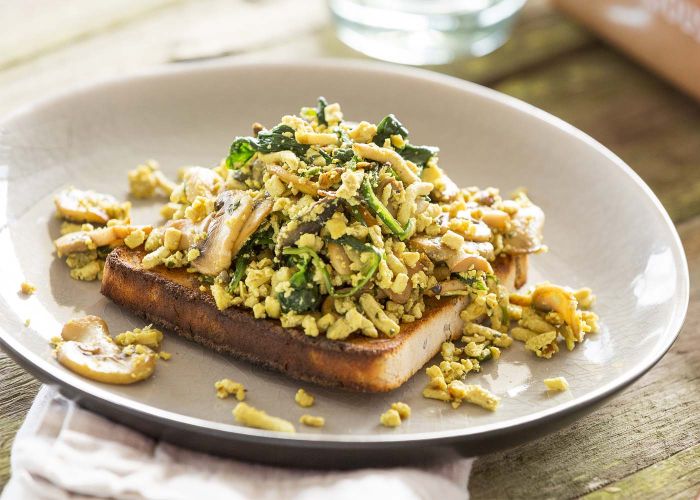
● Breakfast: scrambled eggs for Tofu Scramble
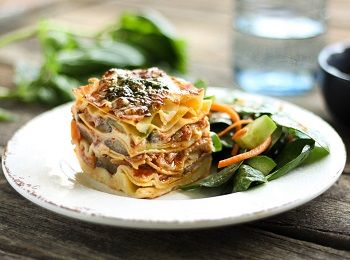
● Lunch: a meat-based lasagne for Vege Lasagne or a 9 Vegetable Soup
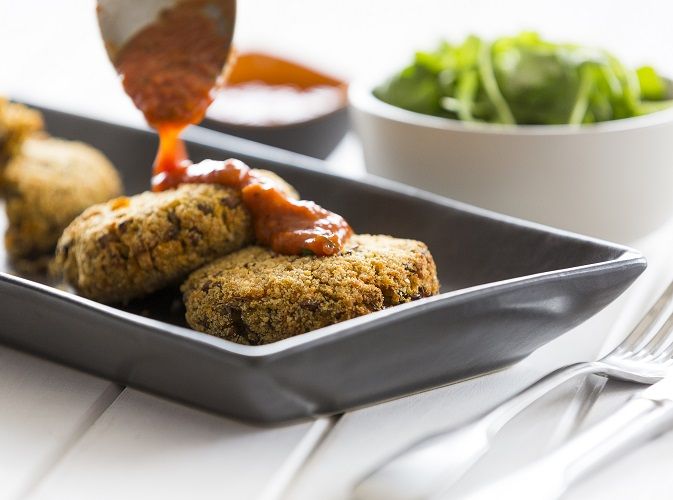
● Dinner: beef or chicken for Vegetarian Meatballs or Lentil Burgers
● Snacks: cheese and salami for one of these high-protein, natural vegan snacks
If you don't have time to plan or cook, keep a stash of vegetarian meals from Dietlicious in the freezer. You'll get a meal that's delicious, made from natural wholefood ingredients, and already done for you.
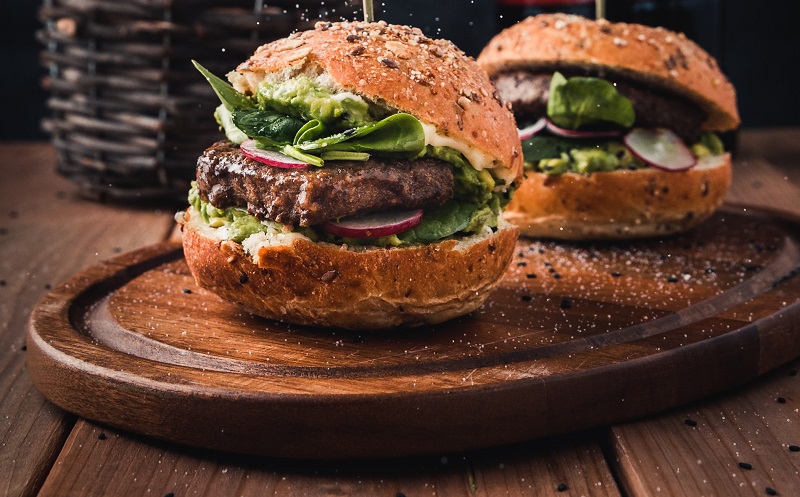
One thing to watch: not every plant-based option is automatically healthier. If you're reaching for fast-food plant-based burgers, it might be worth reading Is plant-based meat healthy?
Final word: food isn't a cure, but it's a powerful tool
No diet — plant-based or otherwise — can guarantee you won't catch a cold, the flu, COVID-19 or any other virus. But eating more plants is one of the simplest, most evidence-backed ways to support your immune system heading into winter. Pair it with the basics that still matter: sleep, movement, hand hygiene and staying up to date with vaccinations where relevant.
Frequently Asked Questions
Can a plant-based diet prevent you from catching a cold or flu?
No single food or diet can prevent infection. A plant-based diet may support a stronger immune response, which can help your body fight off viruses more effectively, but it isn't a substitute for other preventive measures like vaccination and good hygiene.
What foods are best for boosting immunity?
Vegetables, fruit, legumes, whole grains and nuts are consistently linked to better immune function, largely due to their fibre, antioxidant and micronutrient content. Foods rich in vitamin C, zinc and plant protein are commonly highlighted.
Do I need to go fully vegan to see immune benefits?
No. Research generally points to a dose-response relationship — the more plant foods you eat relative to animal foods, the greater the potential benefit. Small, consistent changes, like more meat-free meals each week, are a realistic starting point.
Is a plant-based diet better than a balanced omnivorous diet for immunity?
The evidence is stronger for what plant-based diets add — fibre, antioxidants and phytonutrients — than for what they exclude. A well-balanced diet with a high proportion of plant foods, whether or not it includes some animal protein, is a reasonable goal for most people.
What else can I do to support my immune system this cold and flu season?
Diet is one piece of the puzzle. Adequate sleep, regular movement, stress management, staying hydrated and keeping up with recommended vaccinations all play an important role alongside what you eat.
Most Recent Posts