
How to manage nausea on semaglutide
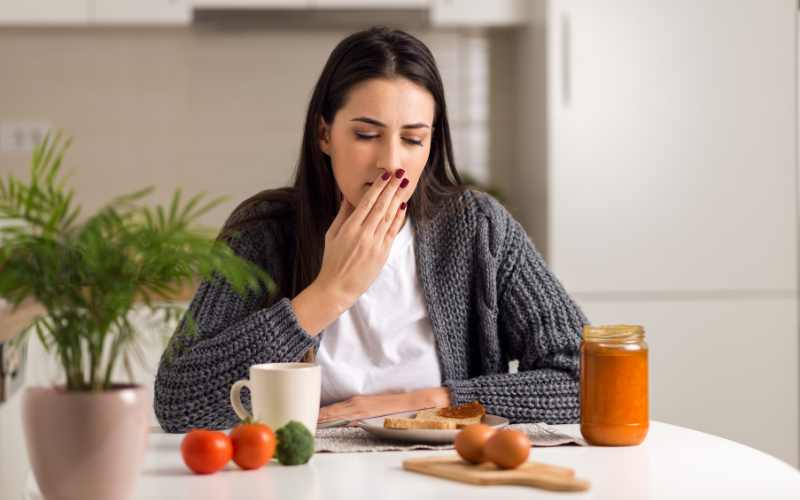
If you’ve recently started taking semaglutide medications like Ozempic, Wegovy, Mounjaro, or Saxenda, you’re probably experiencing some digestive changes. Nausea on Ozempic and similar GLP-1 medications is one of the most frequently reported side effects — and it can catch people off guard.
Nausea is incredibly common with GLP-1 medications. According to StatPearls research, nearly 20% of patients taking Ozempic and Rybelsus experience nausea, while that number jumps to 44% for those on Wegovy. If you're feeling queasy, you're not the only one.
Here are some proven strategies to help you feel more comfortable while achieving your weight loss goals.
Why nausea occurs when taking semaglutide medications
To understand why GLP-1 nausea happens, it helps to know how the medication works. Semaglutide mimics a natural hormone called GLP-1 (glucagon-like peptide-1), which helps regulate blood sugar and appetite. One of its key mechanisms is slowing down how quickly your stomach empties. This delayed gastric emptying is brilliant for weight loss, as it keeps you feeling fuller longer.
The downside is it can also trigger nausea, especially when combined with certain foods.
A study published in Diabetes Obesity and Metabolism Journal discusses gastrointestinal tolerability of once weekly semaglutide medications in adults. It shows most nausea is mild-to-moderate and typically improves over time. Most people find their symptoms peak during the first 8-12 weeks and with each dose increase, then gradually subside as their body adjusts.
Foods that can make nausea worse
Understanding which foods to avoid can make a real difference in managing your symptoms. Here's what to watch out for:
High-fat and fried foods
Fat naturally slows gastric emptying. When you're already on a medication that does the same thing, you'll slow it down even more. This combination can leave you feeling bloated, overly full, and nauseous for hours.
When taking weight loss medications, understand that you can no longer eat these foods:
● Fried foods (chips, fried chicken, spring rolls, doughnuts)
● Fatty cuts of meat (pork belly, bacon, sausages, chicken skin)
● Heavy dairy products (full-fat cheese, ice cream, cream-based sauces)
● Greasy takeaway meals (pizza loaded with cheese, burgers, kebabs)
● Pastries and croissants
A small amount of healthy fat, like a teaspoon of olive oil or a quarter of an avocado, is different from a fried meal. Listen to your body.
Refined sugars and simple carbs
Sugar causes rapid blood glucose spikes and crashes, works against diabetes management (if applicable), and provides empty calories when every bite needs to count nutritionally.
Avoid these foods:
● Soft drinks and energy drinks (40g sugar per can)
● Lollies and chocolate bars
● Biscuits, cakes, and sweet pastries
● Flavoured yogurts (can contain 15-20g added sugar)
● Hidden sugars in sauces, granola bars, and sweetened coffee drinks
Keep added sugar below 25-30g daily. If you're a coffee lover, you don't need to quit entirely, just be strategic about it. Check out our blog post on coffee and weight loss for tips on enjoying your morning cuppa without derailing your progress
White bread, white rice, and refined grains
These provide calories without nutritional value, spike your blood sugar, and leave you hungry quickly. Switch to wholegrain alternatives, brown rice, quinoa, or even cauliflower rice for better results.
Alcohol
Alcohol is particularly problematic on weight loss medications because it:
● Provides empty calories (7 calories per gram with zero nutrition)
● Increases appetite and counteracts medication effects
● Worsens nausea by irritating your stomach lining
● Can cause dangerous blood sugar drops
● Reduces inhibitions, leading to poor food choices
Many people find alcohol abstinence easiest during treatment. The benefits rarely outweigh the drawbacks.
Other common triggers
Carbonated beverages can increase bloating and worsen feelings of uncomfortable fullness. Spicy foods may irritate your stomach lining and trigger acid reflux, though individual tolerance varies. Excessive caffeine can worsen anxiety and intensify nausea, so limit yourself to 1-2 cups of coffee daily, never on an empty stomach.
Foods less likely to trigger nausea (and may even help reduce it)
So, what should you eat when you're feeling nauseous, or not feeling like eating anything?
The BRAT diet foundation
Start with these gentle, proven options:
● Bananas: Easy to digest and gentle on your stomach
● Rice: Plain white rice (even though we usually recommend brown)
● Applesauce: Gentle and provides nutrients
● Toast: Plain wholegrain toast, lightly toasted
Expand on your base foods
Easy proteins:
● Boiled or plain scrambled eggs (cooled to room temperature)
● Grilled chicken breast (plain, no skin)
● Steamed white fish
● Turkey breast
● Plain Greek yogurt
Gentle fruits and vegetables:
● Ripe bananas
● Cooked carrots and steamed zucchini
● Baked apple (no added sugar)
● Melon varieties (rockmelon, honeydew)
● Canned peaches in water (not syrup)
Soups are your secret weapon: They combine hydration with nutrition, and the warm temperature is naturally soothing. Try clear vegetable broth, chicken and vegetable soup (low-fat), miso soup, or well-cooked lentil soup.
Try cooler foods
Cold or room-temperature foods often work better than hot meals. Try cold yogurt, chilled fruit, cold sandwiches, or smoothies.
Practical strategies for managing nausea
Try grazing throughout the day
Instead of three large meals, switch to 5-6 smaller meals throughout the day. Aim to eat every 2-3 hours while awake, and never let yourself get overly hungry or overly full.
Plan around your injection schedule
Nausea typically peaks 24 to 48 hours after your weekly injection. If you inject on Friday evening, expect Saturday and Sunday to be your toughest days. Keep especially bland foods available and clear your schedule if possible during the adjustment period.
How you eat matters
● Eat slowly: Take 20-30 minutes per meal and chew thoroughly
● Use smaller utensils: A smaller fork or spoon naturally creates smaller bites
● Put down your utensils: Resist the urge to load up your fork whilst you are still chewing. Put down your utensils until you have fully chewed and swallowed your food then pick them back up again.
● Stop at 80%: Eat until you're satisfied, not stuffed
● Prioritise protein: Get your protein in before fullness hits
● Stay upright: Maintain good posture while eating and don't lie down for 30-60 minutes after
Natural remedies that help with nausea
Ginger has proven effectiveness: fresh ginger tea, low-sugar ginger chews, real ginger ale, or pickled ginger in small amounts.
Peppermint helps too: peppermint tea, aromatherapy with essential oil, or peppermint lozenges.
Lemon provides relief: lemon water throughout the day, smelling fresh lemon slices, or lemon tea.
Staying hydrated is important
Remember to sip fluids slowly, don’t gulp them. Try ice chips if drinking is difficult, herbal teas without added sugar, cucumber water, diluted coconut water, or clear broths. Avoid drinking during meals; wait 30 minutes before or after.
How Dietlicious can support your journey
When you're suffering with nausea and a reduced appetite, the last thing you want to worry about is meal planning, grocery shopping, and cooking. This is where Dietlicious GLP-1 Support Meals packs become genuinely helpful.
These meal packs were specifically created for people who want to match the right healthy food with taking weight loss medications. They take into account reduced appetite and digestive discomfort, common concerns for medication users. Here's why they work:
Perfectly portioned for reduced appetites
Each bundle provides two carefully balanced meals per day for six days. If you find eating smaller meals more often helpful, it is easy to split meals such as our avocado toast into two serves. When you're not feeling hungry but know you need to eat, having the right portion already prepared takes the guesswork out of nutrition.
Nutrient-dense without being heavy
The meals favour colourful vegetables, whole grains, healthy fats in moderation, and lean proteins. Because you're eating less, nutrient density is essential. You're getting the right vitamins, minerals, and macronutrients without the heavy, greasy foods that could trigger nausea.
Designed by nutritionists and chefs
Each meal gets the nutritionist's tick of approval for being portion-sized, nutritionally balanced, and specifically appropriate for those with reduced appetites. The GLP-1 Support Meals packs were developed with specific strategies for those taking weight loss medications in mind, so the meals address real challenges you're facing.
Learning healthy portion control
One often-overlooked benefit: these meals teach you what appropriate portions look like. Many people have lost touch with serving sizes, and when you're on medication that affects appetite signals, having a visual reference for balanced meals helps you develop better habits for the long term.
Shop Dietlicious GLP-1 Support Meals packs
When to seek medical help
While nausea is common, certain symptoms require immediate medical attention:
● Vomiting multiple times per day
● Inability to keep food or fluids down for 24+ hours
● Signs of dehydration (dark urine, dizziness, extreme thirst)
● Severe abdominal pain
● Blood in vomit
● Nausea that doesn't improve after 12 weeks
According to research on semaglutide safety, patients who experience severe nausea, vomiting, diarrhoea, or dehydration face higher risk of acute kidney injury. Don't suffer unnecessarily - speak with your doctor about dose adjustments or prescription anti-nausea medications if dietary strategies aren't enough.
It pays to be aware of the other possible side effects of weight loss medications and see your doctor if you have any concerns.
The bottom line on GLP-1 nausea
Nausea is one of the most common semaglutide side effects, but it’s usually temporary and manageable. The key is understanding which foods to avoid, which foods help, and how to adjust your eating patterns.
For many Australians taking weight loss medications, our weight loss meal delivery service provides practical support exactly when it's needed most. When you're feeling nauseous, the thought of planning meals and cooking can feel overwhelming. Having nutritionally balanced, appropriately portioned meals delivered to your door removes that stress and ensures you're still nourishing your body properly.
Remember: nausea typically peaks in the first 8-12 weeks and gradually improves as your body adjusts. Most people find that with the right strategies and food choices, they can continue their medication comfortably and achieve their weight loss goals. You've got this!
Frequently Asked Questions
How long does nausea last on semaglutide?
For most people, nausea peaks during the first 8–12 weeks of treatment and tends to flare again with each dose increase. As your body adjusts, symptoms gradually improve. If nausea is still significant after 12 weeks, speak with your doctor — there may be options to manage it more effectively.
What is the best thing to eat when feeling nauseous on Ozempic or Wegovy?
Stick to bland, easy-to-digest foods — the BRAT diet (bananas, rice, applesauce, toast) is a reliable starting point. Plain proteins like boiled eggs, grilled chicken, and steamed fish are also well tolerated. Cold or room-temperature foods often feel easier to manage than hot meals, and small portions eaten every 2–3 hours are far gentler on your stomach than three large meals.
Can I take anything to help with nausea on semaglutide?
Natural remedies like ginger (tea, chews, or real ginger ale), peppermint tea, and lemon water can provide genuine relief. If symptoms are significantly affecting your quality of life, your doctor may also be able to prescribe anti-nausea medication. Never adjust your semaglutide dose without medical guidance.
Does nausea mean the medication is working?
Not necessarily. Nausea is a side effect of the slowed gastric emptying that makes semaglutide effective for appetite control — but you don’t need to feel sick for the medication to be working. Plenty of people experience minimal nausea and still achieve excellent results. Managing it well with the right food choices doesn’t reduce the medication’s effectiveness.
Is nausea worse at a higher semaglutide dose?
Yes, it can be. Nausea often flares temporarily each time your dose is increased, as your body re-adjusts to the stronger effect on gastric emptying. This is normal and usually settles within a week or two. The strategies in this article — bland foods, smaller meals, staying hydrated — are especially important during dose-increase periods.
Always consult with your healthcare provider before making significant changes to your diet or if you're experiencing concerning symptoms. This article is for informational purposes and is not a substitute for professional medical advice.
Citations:
Kommu S, Whitfield P. Semaglutide. [Updated 2024 Feb 11]. In: StatPearls [Internet]. Treasure Island (FL): StatPearls Publishing; 2025 Jan-. Available from: https://www.ncbi.nlm.nih.gov/books/NBK603723/
Wharton S, Calanna S, Davies M, et al. Gastrointestinal tolerability of once-weekly semaglutide 2.4 mg in adults with overweight or obesity, and the relationship between gastrointestinal adverse events and weight loss. Diabetes Obes Metab. 2022; 24(1): 94-105. doi:10.1111/dom.14551
Shu Y, He X, Wu P, Liu Y, Ding Y, Zhang Q. Gastrointestinal adverse events associated with semaglutide: A pharmacovigilance study based on FDA adverse event reporting system. Front Public Health. 2022 Oct 20;10:996179. doi: 10.3389/fpubh.2022.996179. PMID: 36339230; PMCID: PMC9631444.
Powered by Mirasvit Magento 2 Extensions
-
How to manage nausea on semaglutide
-
 7 signs of an unhealthy gut - and how to fix it
-
 Why ditching ultra processed foods may be your ticket to ultimate health
-
 How to maximise your Food Cleanse results: A nutritionist's guide
-
 DASH Diet Australia: what it is, how it works & how meal delivery makes it easy