Menopause weight gain: why it happens and what actually helps
- 4 May 2026

If your weight has started creeping up around your middle even though nothing else about your diet or exercise has changed, you're not imagining it — and it's not a discipline problem. Menopause weight gain has a specific hormonal cause, and understanding it is the first step to actually managing it, rather than fighting your body with the same diet that worked in your 30s.
The four drivers behind menopause weight gain
1. Falling oestrogen
Oestrogen does more than regulate your cycle — it also has anti-inflammatory effects and influences where your body stores fat. As levels decline through perimenopause and menopause, fat storage shifts away from the hips and thighs and toward the abdomen, and low-grade inflammation tends to rise at the same time. This is the biology behind "meno-belly" — it's a genuine shift in fat distribution, not just extra kilos landing wherever they used to.
2. Rising cortisol
Midlife tends to arrive with a heavier stress load — careers, ageing parents, family responsibilities — right as sleep quality often takes a hit from night sweats and hormonal changes. Both drive up cortisol, your primary stress hormone, and elevated cortisol specifically encourages the body to store fat around the belly. It's a cycle: poor sleep raises cortisol, cortisol promotes belly fat, and disrupted sleep and higher stress can feed straight back into each other.
3. Muscle loss
From around your mid-30s, you naturally lose a small amount of lean muscle each year, and that rate accelerates through the menopause transition. Muscle is metabolically active tissue — it burns more energy at rest than fat does — so as muscle mass declines, your metabolism slows even if everything else about your lifestyle stays the same. This is a major reason the same eating habits that maintained your weight in your 30s can stop working in your 40s and 50s.
4. Appetite hormone shifts
Hormonal changes during menopause also affect the hormones that regulate hunger and fullness. Ghrelin, which drives hunger, tends to rise, while leptin, which signals that you're full, becomes less effective. The result is genuine, physiological increased appetite and cravings — not a lack of willpower.
Why the old approach stops working
None of these four drivers respond well to calorie-cutting alone, which is exactly why so many women find that the diets that worked for them in the past simply stop delivering results in their 40s and 50s. Eating less without addressing inflammation, muscle preservation and blood sugar stability tends to make things harder, not easier — it can accelerate muscle loss and leave you hungrier, without solving the underlying hormonal picture.
What actually helps
The most effective approach addresses the mechanism, not just the symptom:
- Prioritise protein at every meal to protect muscle mass and support metabolism
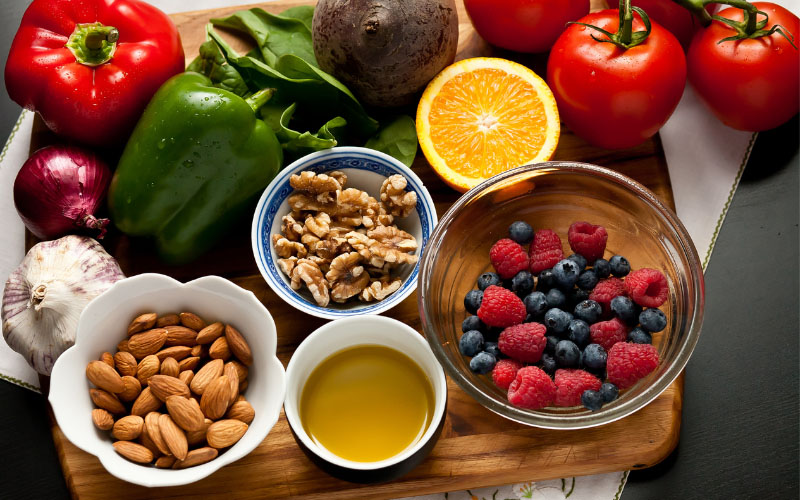
- Focus on anti-inflammatory, whole foods to counter the inflammatory shift that comes with declining oestrogen
- Support blood sugar stability with fibre-rich carbohydrates rather than cutting carbohydrates altogether
- Protect your sleep where you can, since it directly affects cortisol and appetite hormones
- Keep moving, particularly with resistance-based activity, to help offset muscle loss
None of these are quick fixes, but together they work with your changing hormones rather than against them — which is a very different (and more sustainable) strategy than simply eating less of everything.
Where to go from here
See our guide to the best foods for menopause energy and weight loss for exactly what this looks like day to day, or skip the planning altogether with the Dietlicious Menopause Diet — delivered, chef-prepared, and built around these four causes.
Try the Menopause Diet Meal Plan
Frequently Asked Questions
Why is belly fat more common during menopause?
Lower oestrogen levels during menopause can change how and where the body stores fat, often leading to increased fat accumulation around the abdomen. Stress, poor sleep, insulin resistance and reduced muscle mass may also contribute to menopause belly fat.
Does menopause slow your metabolism?
Metabolism naturally slows with age, and menopause can further contribute to this process due to hormonal changes and loss of lean muscle mass. This means women may burn fewer calories at rest than they previously did, making weight gain easier and weight loss harder.
What exercises are best for menopause weight loss?
A combination of strength training, walking, cardio exercise and regular movement is often recommended for menopause weight loss. Strength training is particularly important because it helps maintain muscle mass and metabolic health as hormone levels change.
Can stress make menopause weight gain worse?
Yes. Chronic stress may elevate cortisol levels, which can increase cravings, promote abdominal fat storage and negatively impact sleep and appetite regulation. Managing stress through exercise, mindfulness, sleep and relaxation techniques may help support menopause weight management.
How long does menopause weight gain last?
Menopause-related weight gain can develop gradually during perimenopause and continue after menopause if lifestyle habits and metabolic changes are not addressed. However, healthy eating, exercise and muscle-preserving habits can help improve body composition and long-term weight management.
What are the best ready-made meals for menopause weight loss?
The best ready-made meals for menopause weight loss are typically high in protein, portion controlled and based on wholefood ingredients with plenty of fibre and vegetables. Anti-inflammatory meal plans designed for menopause may also help support energy, satiety and healthy weight management.
Frequently Asked Questions
Most Recent Posts