Menopause symptoms explained: Your complete guide to midlife changes
- 16 Mar 2022

If you're in your late 30s, 40s or 50s, menopause is probably already on your mind — whether you're noticing the first changes or well into the transition. It brings more than hot flushes: shifts in weight, sleep, mood, energy and skin are all part of the picture, and they're driven by hormones, not willpower.
This guide walks through what's actually happening in your body during perimenopause and menopause, and links out to practical, specific advice on each part of it — from why the weight gain happens, to what to eat, to how an anti-inflammatory approach can help.
What is perimenopause vs. menopause?
Perimenopause is the transition leading up to menopause, and for most women it starts sometime in their 40s — though it can begin earlier, in the mid-to-late 30s. During this stage, oestrogen and progesterone levels don't just decline steadily; they fluctuate, often unpredictably, which is why symptoms can come and go before settling into a clearer pattern.
Menopause itself is a single point in time: the day that marks 12 months since your last period. In Australia, the average age is around 51. Everything after that point is technically post-menopause, though most women simply keep referring to it as "menopause," and the symptoms and dietary needs carry on in much the same way.
Perimenopause can last anywhere from a few months to closer to a decade. That's a long stretch of your life to be managing symptoms without necessarily understanding why they're happening — which is exactly what the rest of this guide is here to help with.
Common menopause symptoms
Symptoms vary enormously from woman to woman, both in what shows up and how intensely. The most commonly reported include:
- Hot flushes and night sweats — sudden waves of heat, often disrupting sleep
- Sleep disruption — trouble falling or staying asleep, independent of night sweats
- Mood changes — increased irritability, anxiety or low mood
- Weight changes — particularly new or stubborn fat around the belly
- Brain fog — difficulty concentrating or word-finding
- Joint aches and changes in skin texture or elasticity
- Irregular periods, in the lead-up to menopause itself
These symptoms share a common root: declining and fluctuating levels of oestrogen and progesterone. Both hormones do far more than regulate the menstrual cycle — they influence inflammation, metabolism, mood-regulating brain chemistry and sleep architecture. When they shift, the effects ripple out across all of these systems at once, which is why menopause rarely shows up as just one symptom in isolation.
Why weight tends to change now
Many women notice weight creeping on — especially around the middle — during this stage, even without any change to their diet or exercise routine. It isn't a discipline problem. Falling oestrogen changes how and where the body stores fat, rising cortisol (often from disrupted sleep and midlife stress) encourages the body to hold onto it, and the natural loss of muscle mass that comes with ageing slows metabolism further. Read the full breakdown of menopause weight gain →
How diet can help
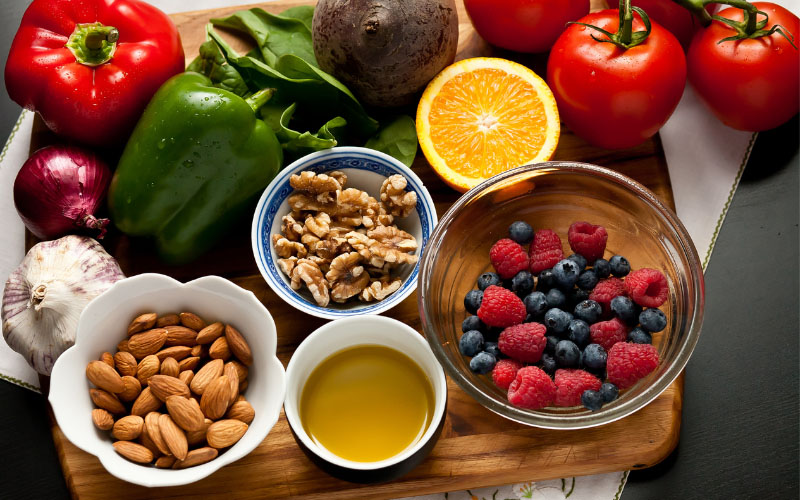
While you can't control the hormonal shifts themselves, you can support your body through them — and food is one of the most powerful levers available. A higher-protein, higher-fibre, anti-inflammatory way of eating helps protect muscle, steady blood sugar and ease several symptoms at once, including energy and sleep. See the best foods for menopause energy and weight loss →
The role of inflammation in healthy ageing
Oestrogen has a natural anti-inflammatory effect in the body, so as levels decline, low-grade inflammation tends to rise — and that has consequences well beyond menopause symptoms, influencing long-term risk for heart disease and other chronic conditions. An anti-inflammatory way of eating is one of the most well-supported ways to counter this, at any life stage. Learn more about anti-inflammatory eating for long-term health →
Make it easier
Understanding what's happening in your body is the first step — putting it into practice every day, on top of everything else midlife brings, is another. The Dietlicious Menopause Diet takes the anti-inflammatory, high-protein principles behind everything in this guide and turns them into chef-prepared meals delivered straight to your door — so you don't have to plan, shop or cook to get the benefit.
Frequently Asked Questions
What are the most common symptoms of menopause?
The most common symptoms of menopause include hot flushes, night sweats, mood changes, sleep disturbances, brain fog, and weight gain. These symptoms are caused by hormonal changes, particularly declining oestrogen levels, and can vary widely from woman to woman.
Why is menopause often called “the wonderful world of menopause”?
Menopause is sometimes referred to this way to highlight that, while it can bring challenges, it also marks a powerful life transition. Many women experience a sense of freedom from menstrual cycles, greater self-awareness, and an opportunity to focus on health and wellbeing in a new way.
Does menopause always cause weight gain?
Not all women gain weight during menopause, but it is common due to hormonal shifts, reduced muscle mass, and a naturally slower metabolism with age. Lifestyle factors such as diet, stress, sleep, and activity levels also play a major role in weight changes during this stage of life.
How can I manage menopause symptoms naturally?
Menopause symptoms can often be managed through a combination of healthy lifestyle habits, including a balanced wholefood diet, regular exercise (especially strength training), stress reduction techniques, and prioritising sleep. Some women also benefit from structured meal plans that support hormone balance and energy levels.
What foods are best during menopause?
A menopause-friendly diet typically includes high-protein foods, plenty of vegetables, whole grains, healthy fats, and anti-inflammatory ingredients. Reducing processed foods, excess sugar, and alcohol may also help improve energy, mood, and weight management during menopause.
Can diet really help with menopause symptoms?
Yes, diet can play a significant role in managing menopause symptoms. Eating nutrient-dense, balanced meals may help support hormone balance, reduce inflammation, stabilise blood sugar, and improve energy levels, mood, and weight control.
Frequently Asked Questions
Most Recent Posts