
The Wonderful World of Menopause

If you’re a woman in your 30's, 40’s or 50’s, you’ve probably given some thought to what awaits as you transition to peri menopause and menopause. Perhaps you’re already at that stage or out the other side yet still reeling from the unwanted body changes and annoying side effects.
Every woman has a different experience. Hopefully you’ll just sail through it without much discomfort but one very common issue for women in peri and menopause is weight gain, particularly stubborn belly fat. In this article we cover the issue of menopause and weight gain, the link to inflammation and what that means, as well as simple and easy diet and lifestyle tips so your life can carry on as normal.
When does peri menopause and menopause happen?
Menopause officially occurs once a woman hasn’t had a menstrual period for 12 months. The average age of menopause is around 51 years, however, it is preceded by peri menopause which can start up to 10 years earlier. For some women, peri menopause kicks off in their mid to late 30's. These hormonal fluctuations symptoms can include changes to menstruation, moodiness, headaches, poor sleep, hot flushes and night sweats, anxiety and weight gain.
What is it with menopause and weight gain?
Research suggests that women gain, on average, around 1kg per year during midlife, regardless of their body weight beforehand. What we also know is that in pre-menopause, belly fat accounts for around 5-8% of total body fat in women, but this jumps up to 15-20% in post-menopause. So, women are gaining weight and it’s mostly around their middle. Not good for the self-esteem.
4 main reasons for weight gain in over 40’s women
Hormone changes – Oestrogen is a potent anti-inflammatory factor so when levels decrease and testosterone levels rise during menopause, these changes drive inflammation in the body, which is linked to weight gain.
Appetite changes – during this time, a woman’s appetite hormones can be in flux. Ghrelin, the hunger hormone is higher and leptin, the hormone that signals you’re full becomes impaired. These changes can lead to increased hunger and overeating.
Stress – Let’s face it, it’s already exhausting managing kids, elderly parent plus working, a mortgage, and a marriage too! It all points to a busy and stressful time. And unfortunately, stress is also highly inflammatory.
Lifestyle factors – with all that going on, little wonder you’re not a gym junkie! It's common for women over 40 to have a drop in activity levels; loss of muscle mass; perhaps some unhealthy eating; and lack of quality sleep. Sadly, these all contribute to weight gain.
Why isn’t the weight loss diet working?
Unfortunately, exercise and calorie counting alone aren't enough. The real secret is to reduce your inflammation.
Chronic inflammation is widespread these days. A poor diet can cause it, so too can environmental toxins and stress. Plus as we now know, hormonal fluctuations are also to blame. Women over 40 usually tick multiple pro-inflammatory boxes. Chances are that inflammation has been sabotaging your weight loss efforts. But luckily, there are things you can do to reduce inflammation and lose weight pretty easily.
9 top tips to reduce inflammation and lose weight
By focusing on an anti-inflammatory diet rather than just calories and exercise you’ll happily survive menopause and stepping onto your bathroom scales will be a delight. Here are our top tips:
- Cut out all the processed and fast food in your diet. The reason for this is that processed food contains a huge amount of highly inflammatory ingredients, such as artificial flavours, colours, preservatives and additives; plus sugar, salt and fat. Eat a broad range of healthy wholefoods to nourish your body instead.
- Eat foods that are high in anti-oxidants to combat inflammation. Good choices are colourful vegetables and fruits, herbs, spices, and fatty fish with omega 3’s.
- Reduce portion sizes to prevent overeating and create a calorie deficit.
- Fill up on plenty of protein to supress hunger and encourage fat burning.
- Eat more fibre, which feeds healthy bacteria in the gut, and in turn helps lower inflammation.
- Try intermittent fasting which will not only promote fat burning but also improve your metabolic health markers. We’re referring to your blood sugars, cholesterol and blood pressure. Fasting is a win-win for weight loss and your overall wellbeing.
- Exercise, both cardio and resistance. This is important for burning calories but also to prevent the loss of vital muscle mass and bone mass at this stage of life.
- Reduce your stress load. Easier said than done but high stress will thwart your attempts to reduce inflammation and lose weight. Try to establish a new routine that involves calming activities that you enjoy - yoga, meditation and breathing, walking the dog, getting into nature or try these 3 health tips you can't live without. Also learn to say no to over-committing yourself or seek help if you’re feeling overwhelmed.
- Reduce your toxic load. There are plenty of simple, inexpensive things you can do to reduce your exposure to toxins in your environments. Zoe Bingley-Pullin’s article, Is your home poisoning you? is a fantastic resource for ideas.
If this all just sounds too hard, then thankfully Dietlicious now has an even easier solution! Check out the details of our Menopause Diet meal plan here.
Frequently asked questions
What are the most common symptoms of menopause?
The most common symptoms of menopause include hot flushes, night sweats, mood changes, sleep disturbances, brain fog, and weight gain. These symptoms are caused by hormonal changes, particularly declining oestrogen levels, and can vary widely from woman to woman.
Why is menopause often called “the wonderful world of menopause”?
Menopause is sometimes referred to this way to highlight that, while it can bring challenges, it also marks a powerful life transition. Many women experience a sense of freedom from menstrual cycles, greater self-awareness, and an opportunity to focus on health and wellbeing in a new way.
Does menopause always cause weight gain?
Not all women gain weight during menopause, but it is common due to hormonal shifts, reduced muscle mass, and a naturally slower metabolism with age. Lifestyle factors such as diet, stress, sleep, and activity levels also play a major role in weight changes during this stage of life.
How can I manage menopause symptoms naturally?
Menopause symptoms can often be managed through a combination of healthy lifestyle habits, including a balanced wholefood diet, regular exercise (especially strength training), stress reduction techniques, and prioritising sleep. Some women also benefit from structured meal plans that support hormone balance and energy levels.
What foods are best during menopause?
A menopause-friendly diet typically includes high-protein foods, plenty of vegetables, whole grains, healthy fats, and anti-inflammatory ingredients. Reducing processed foods, excess sugar, and alcohol may also help improve energy, mood, and weight management during menopause.
Can diet really help with menopause symptoms?
Yes, diet can play a significant role in managing menopause symptoms. Eating nutrient-dense, balanced meals may help support hormone balance, reduce inflammation, stabilise blood sugar, and improve energy levels, mood, and weight control.


Powered by Mirasvit Magento 2 Extensions
-
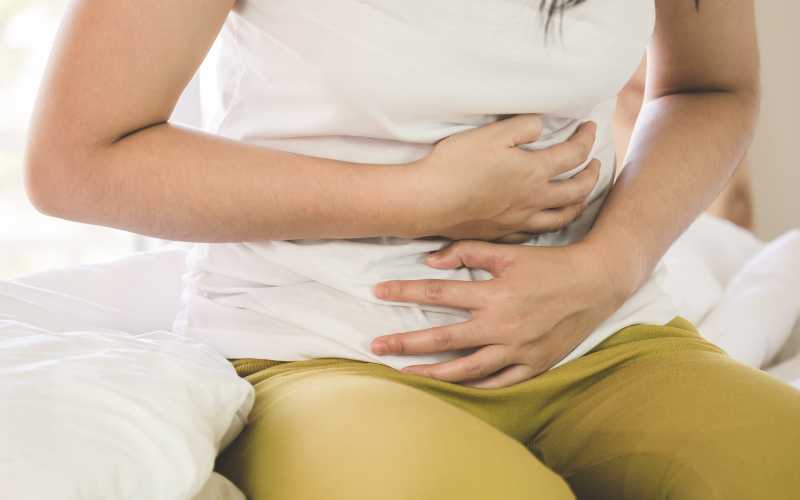 7 signs of an unhealthy gut - and how to fix it
-
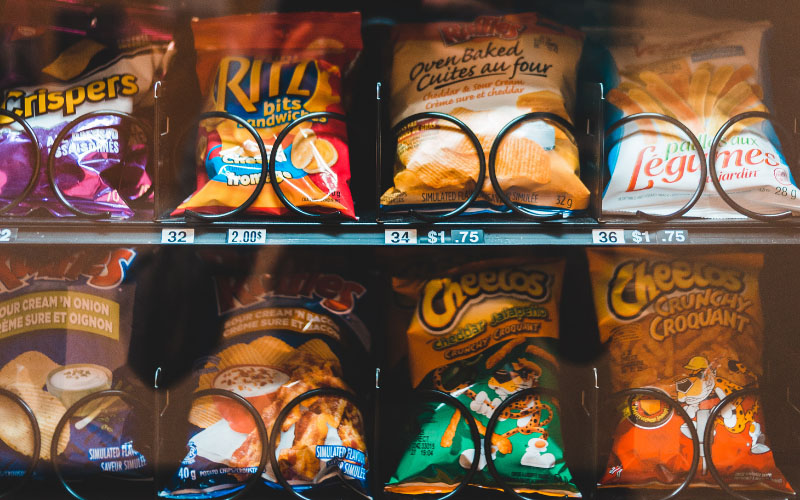 Why ditching ultra processed foods may be your ticket to ultimate health
-
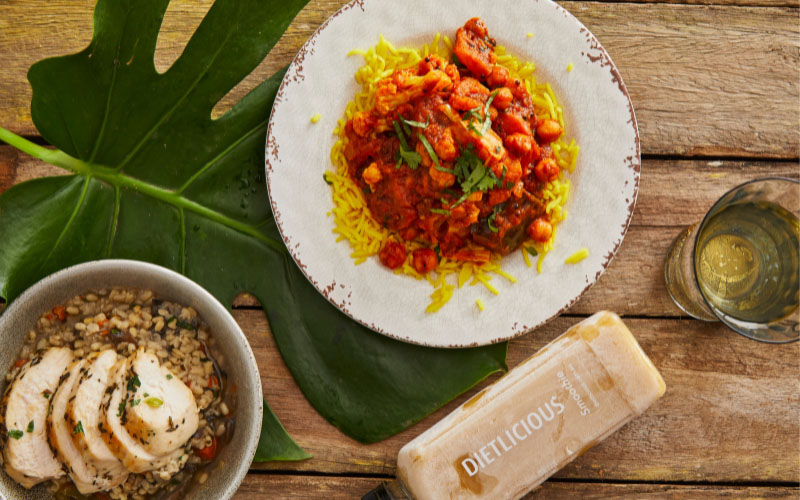 How to maximise your Food Cleanse results: A nutritionist's guide
-
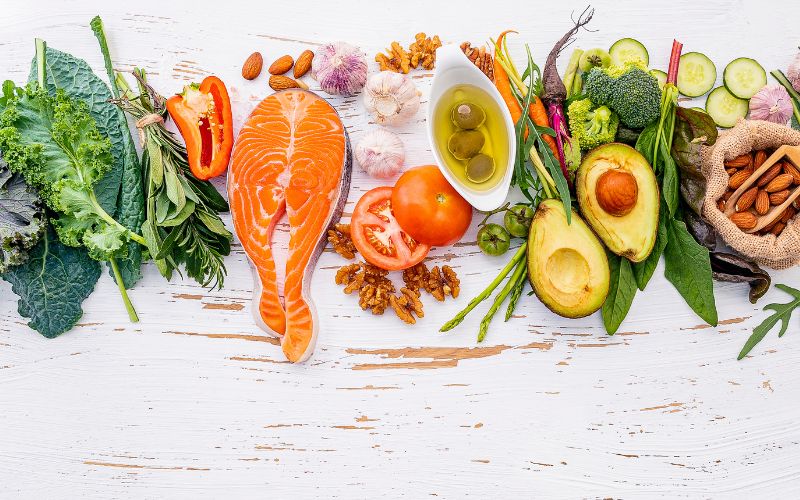 DASH Diet Australia: what it is, how it works & how meal delivery makes it easy
-
 Menopause weight gain: why it happens and how diet helps